Short answer
When a canopy needs reducing
What’s included with canopy & crown reduction
Free estimate for canopy reduction in St. Augustine
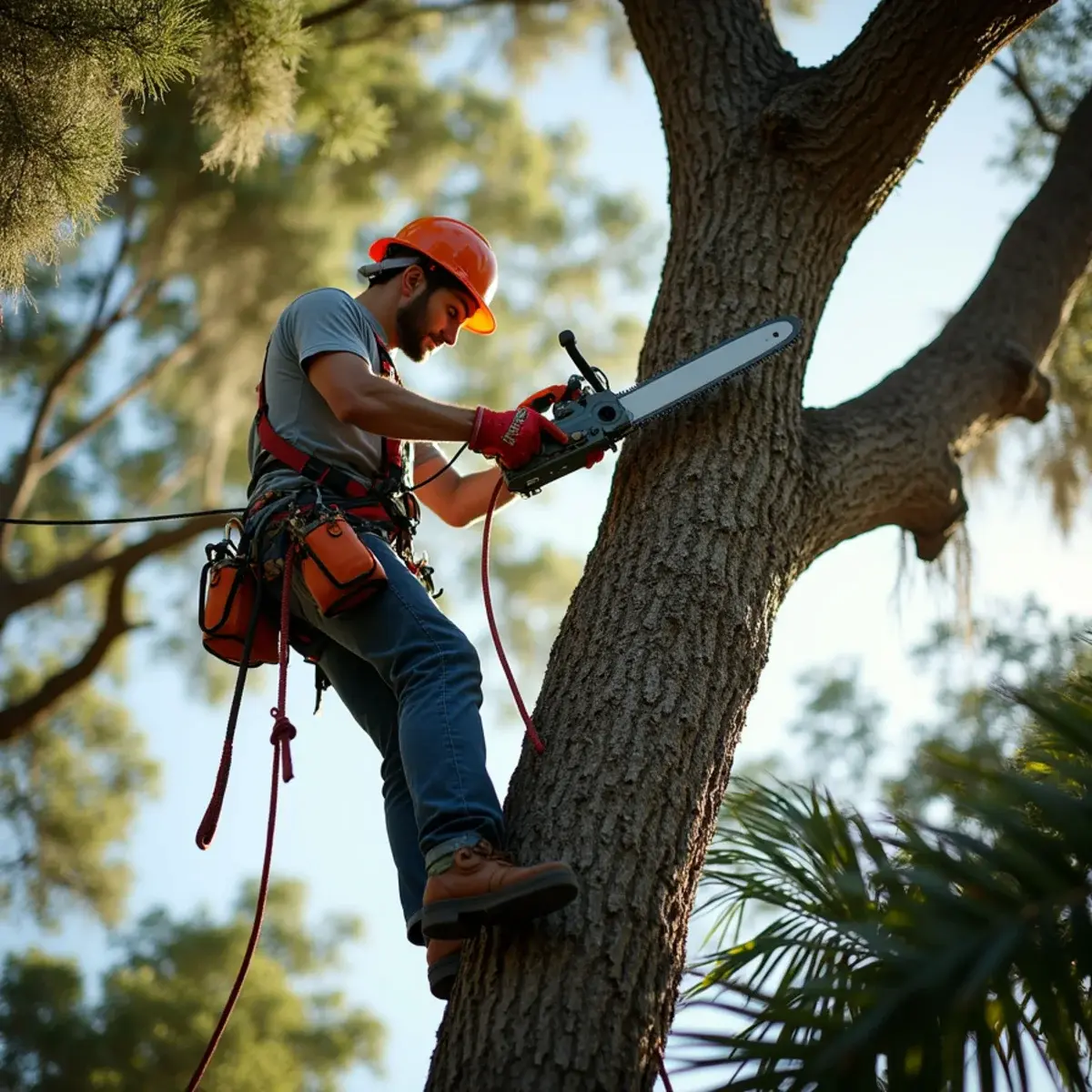
Canopy Reduction on the job in St. Augustine
Reduction versus topping — the difference that decides the tree’s future
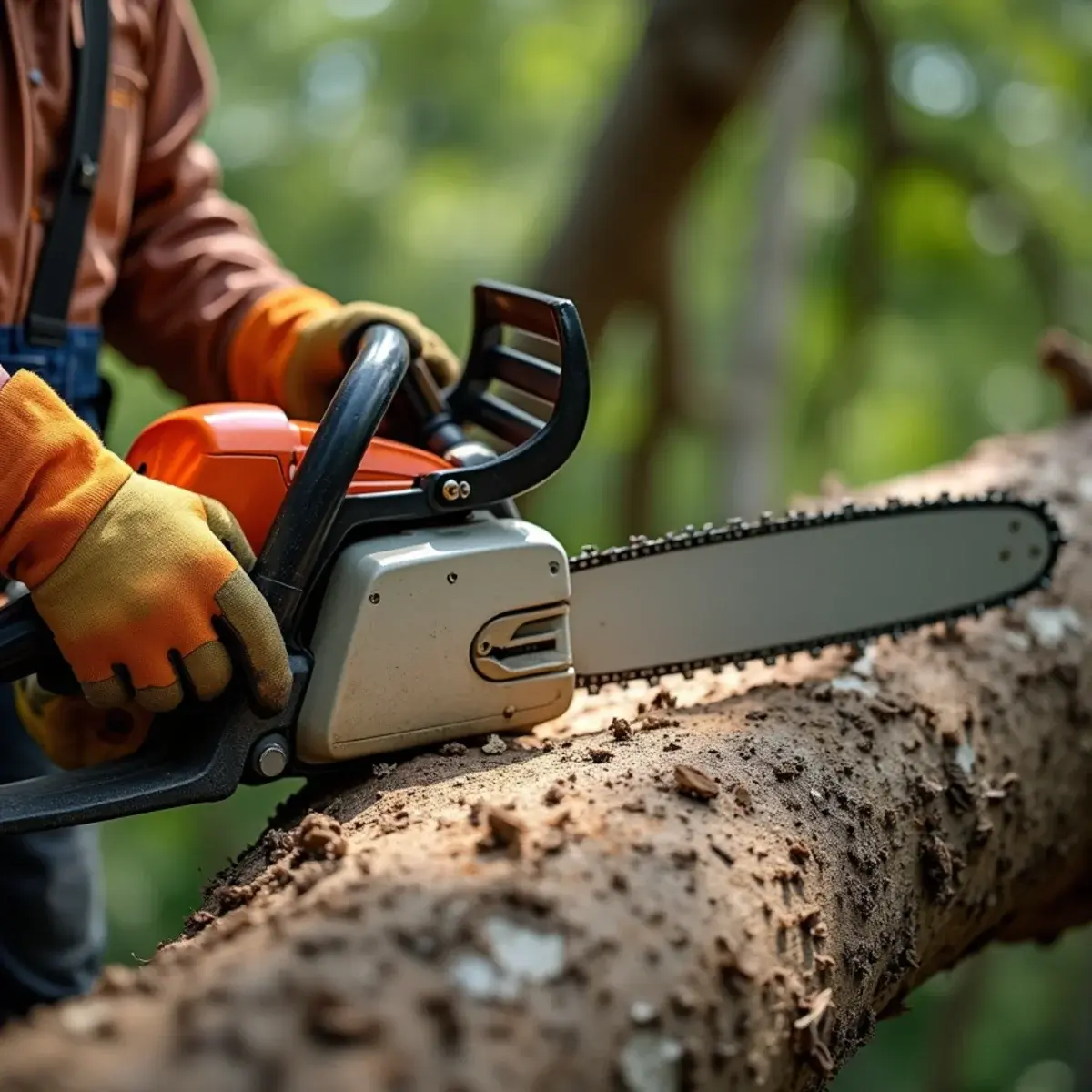
A reduction cut ends at a living lateral branch at least about a third the diameter of the limb being shortened. That lateral becomes the new end of the limb. Sap keeps flowing to a growing tip, the wound is small relative to the branch, and the tree seals it. The limb is shorter, lighter and far less likely to fail, and it still looks like a branch.
A topping cut ends in mid-air. There is no lateral to take over, so the tree responds to the emergency by pushing out a dense flush of water sprouts just below the cut. Those sprouts are attached only to the outer wood, not anchored in the limb, and within a few years you have a tall mass of weakly attached regrowth sitting on top of a stub that is quietly decaying inside. That is why topped trees fail so spectacularly in storms — the thing that breaks is the regrowth the topping created.
In much of Florida, topping is also explicitly contrary to ANSI A300 and is written into local tree ordinances as unacceptable practice. If you have been quoted hat-racking, you are being sold damage with a safety label on it.
What reduction can and cannot do
It is worth being straight about the limits, because reduction is often sold as a cure-all.
Species that take reduction well here — and those that do not
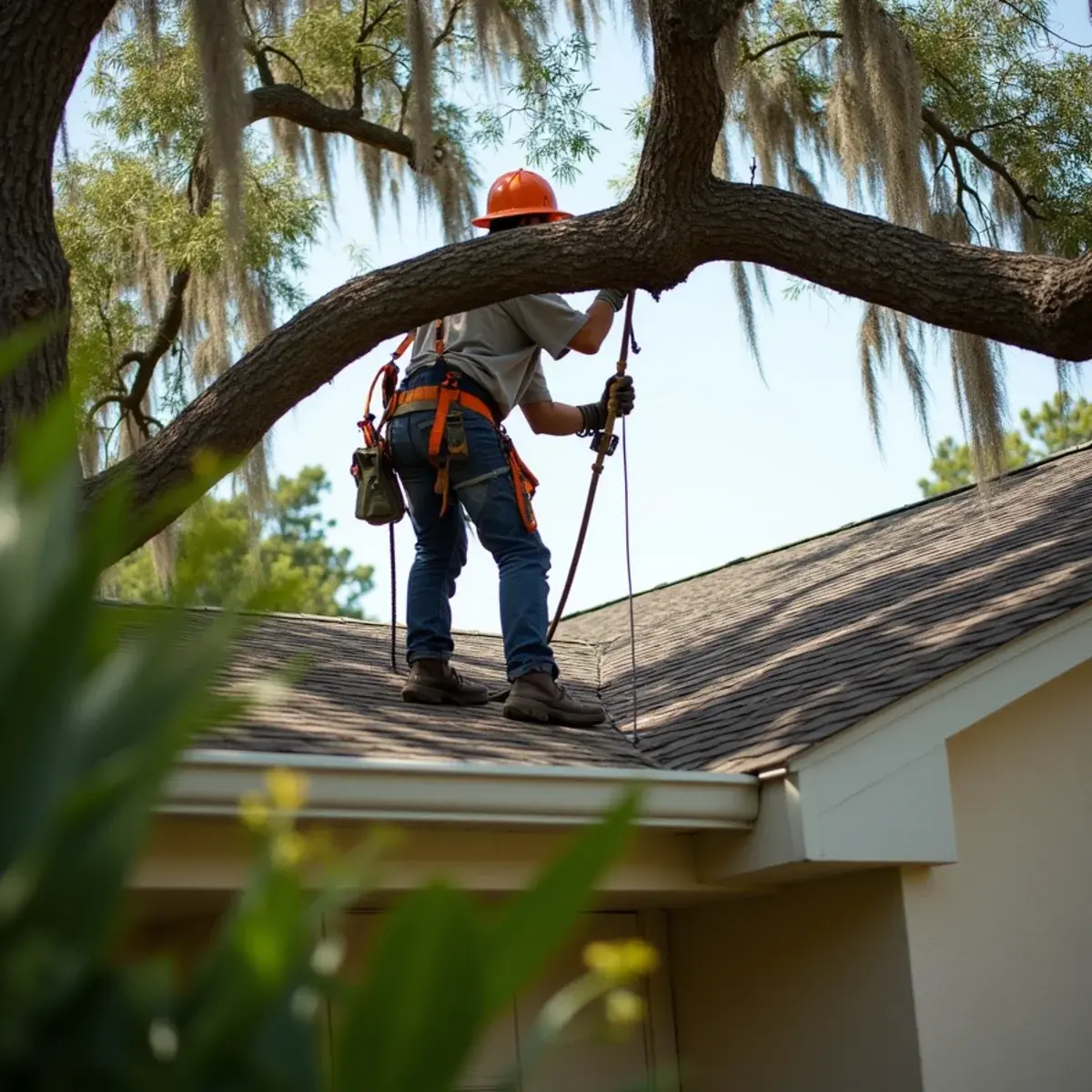
Southern live oak is the ideal candidate. It compartmentalises wounds well, holds a natural spreading form, and responds predictably to reduction on long horizontal limbs. Most of the reduction we do in St. Augustine is on live oaks reaching over rooflines.
Laurel and water oak can be reduced, but the calculation is different. These species decay faster and are weaker wooded, so we keep the cuts smaller and inspect the trunk carefully first. On an older laurel oak with existing decay, reduction is sometimes money spent delaying a removal that is coming anyway, and we will say so.
Pines are the clearest "no". A pine has a single leader and a fixed branching habit; there is nothing useful to reduce back to. On pines we limit work to deadwood and clearance, and if the top is broken or more than a third of the live crown is gone, pruning is not the answer.
Timing and the hurricane calendar
Reduction is structural pruning, so the preferred window is January through March, when hardwoods are least active, the branch architecture is easy to read without leaves in the way, and decay fungi are at their annual low. Cuts made then seal fastest.
The practical deadline is June 1. Weight reduction done in spring is the difference between a scheduled job at a planned price and an emergency call during a named storm when every crew in the region is already committed. If you are reading this in May and have a heavy limb over the house, it is still worth calling — we can usually fit reduction work in before the season starts.
How canopy reduction works, step by step
Why choose Have Faith Trees for canopy reduction
This is the honest alternative to topping
We respect the seasonal limit
The shape still looks like the tree
Owner-run estimates
What affects the price
Canopy Reduction questions we get asked
Related tree services
Further reading
Book canopy reduction in St. Augustine
Free on-site estimate, written price before we start, and full cleanup included. Same-day response for genuine hazards.
- 47 five-star reviews
- Licensed & insured
- 24/7 storm response