Have Faith Trees — tree service in St. Augustine, FL
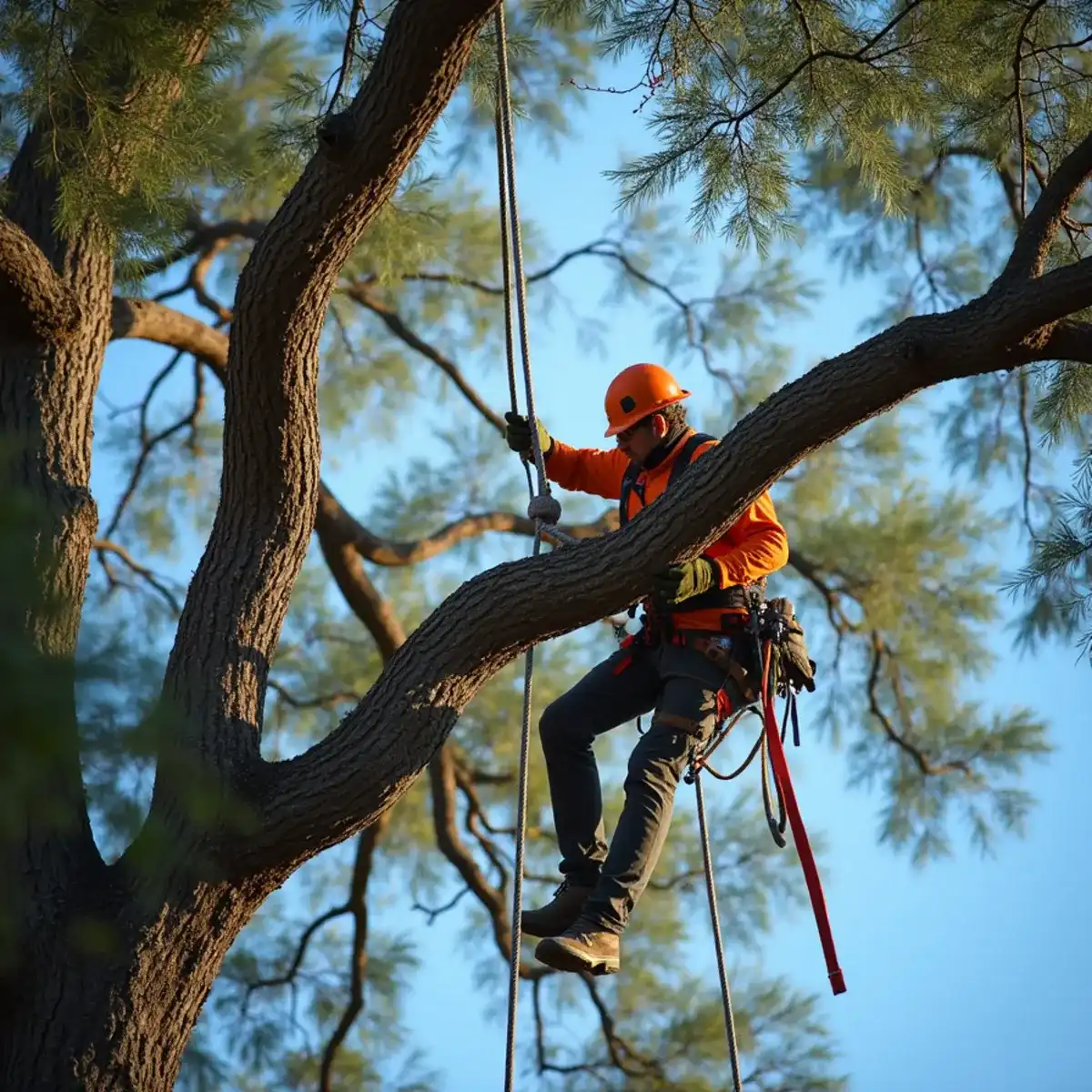
Climber removing dead limbs from a live oak canopy in St. Augustine, FL

St. Augustine, FL

Deadwooding in St. Augustine, FL

Every mature tree sheds branches. Lower limbs shaded out by the canopy above them die off, storm-cracked limbs hang on for a season or two, and oaks in particular carry a surprising amount of dead wood in their interior where nobody looks. Deadwooding — arborists also call it crown cleaning — is simply the removal of that material before gravity handles it.

  • Dead limbs out first
  • Climbed on rope, never spiked
  • Safe in any season
  • All debris chipped and hauled

Short answer

Deadwooding is the removal of dead, dying and broken branches from a tree’s canopy, and it is the single highest-value pruning you can buy in St. Augustine because dead wood is what falls first. Have Faith Trees climbs on rope rather than spikes, cuts at the branch collar so the wound seals, and takes deadwood out in any season — unlike structural pruning, there is no wrong time of year for it. Free estimate, every limb chipped and hauled.

It is the most cost-effective pruning in Northeast Florida, and the one we recommend most often. You are not reshaping the tree or reducing its size. You are taking out only what is already dead, which means there is no stress on the tree, no seasonal restriction, and no change to how the tree looks from the street other than tidier.

Signs your trees need deadwooding

  • Bare gray branches visible in the upper canopy while the rest of the tree is in full leaf
  • Small dead twigs and branch tips dropping onto the drive or pool cage after every breeze
  • Limbs with peeling, flaking bark and no buds in spring
  • Fungal brackets or conks growing on a branch rather than the trunk
  • Dead wood directly above a roof, a parking area, a walkway or a play set
  • Interior branches that never leafed out after a drought year or a hard storm
  • Oaks that dropped a large limb on a still day — a classic sign of accumulated deadwood

What’s included with deadwooding & crown cleaning

Every line below is part of the quoted price. No hidden fees, and nothing discovered halfway through the job.

  • Removal of dead, dying, diseased and broken branches throughout the canopy, interior included
  • Clean collar cuts that let the wound seal, rather than flush cuts or stubs
  • Rope-and-saddle climbing on any tree that is staying, so the trunk is never spiked
  • Removal of hangers — broken limbs caught up in the canopy waiting to come down
  • A plain-English note on anything we see while we are up there, from weak unions to decay
  • All brush chipped, the work area raked and hard surfaces blown clean

Typical timeline

Most single-tree deadwooding is a half-day job, and a typical residential lot with three or four mature trees is finished in a day. Large oaks with heavy interior deadwood take longer because the climber has to work the whole canopy, not just the outside.

Quoted separately

  • Reduction of live over-extended limbs — that is canopy reduction, quoted separately
  • Treatment of an underlying disease causing the dieback, which we would diagnose first

Free estimate for deadwooding in St. Augustine

Call +1 (208) 635-2100 and describe the tree, or send the form below and we will get back to you the same day.

  • 47 five-star reviews
  • Licensed & insured
  • 24/7 storm response

Deadwooding on the job in St. Augustine
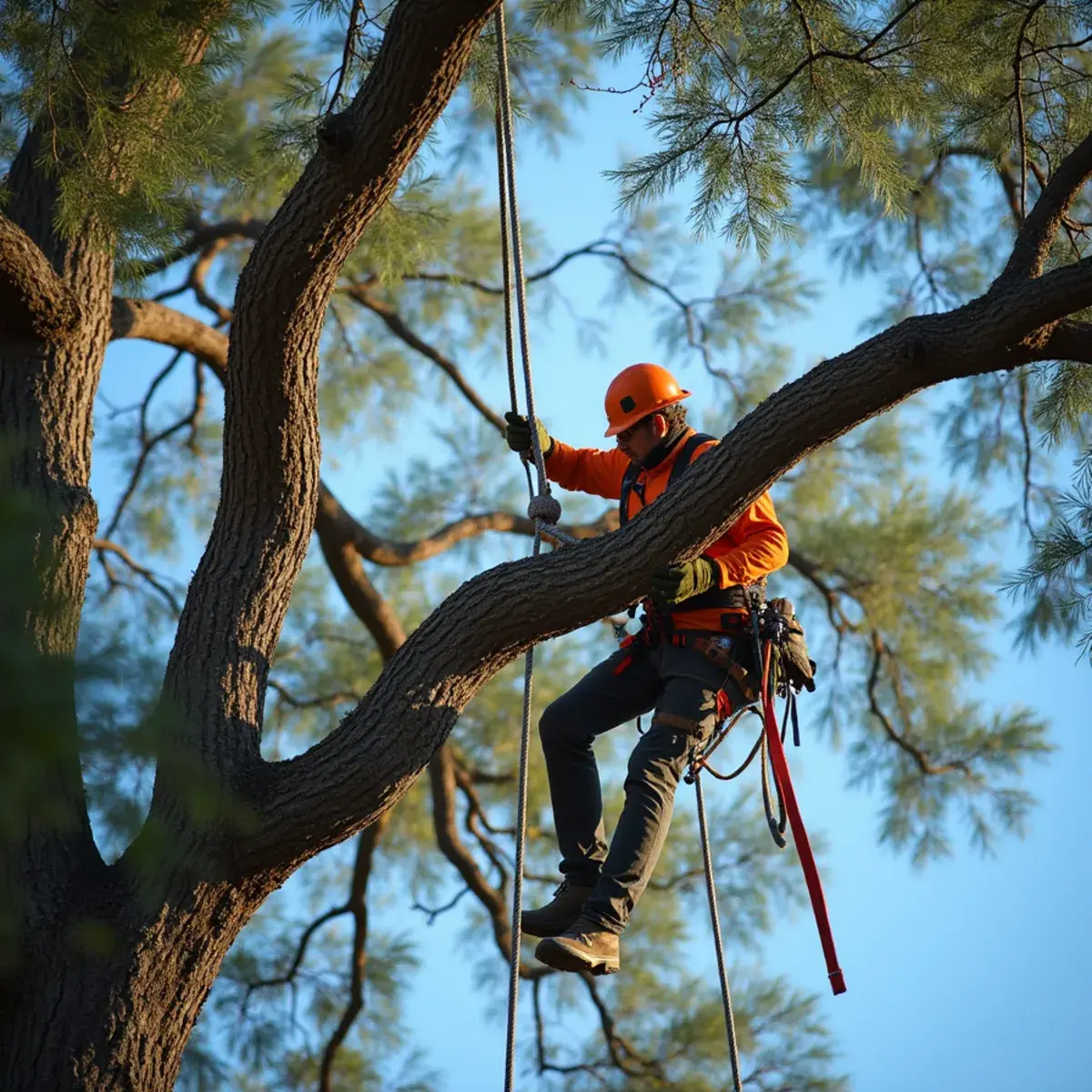
Real work, photographed on St. Johns County properties.

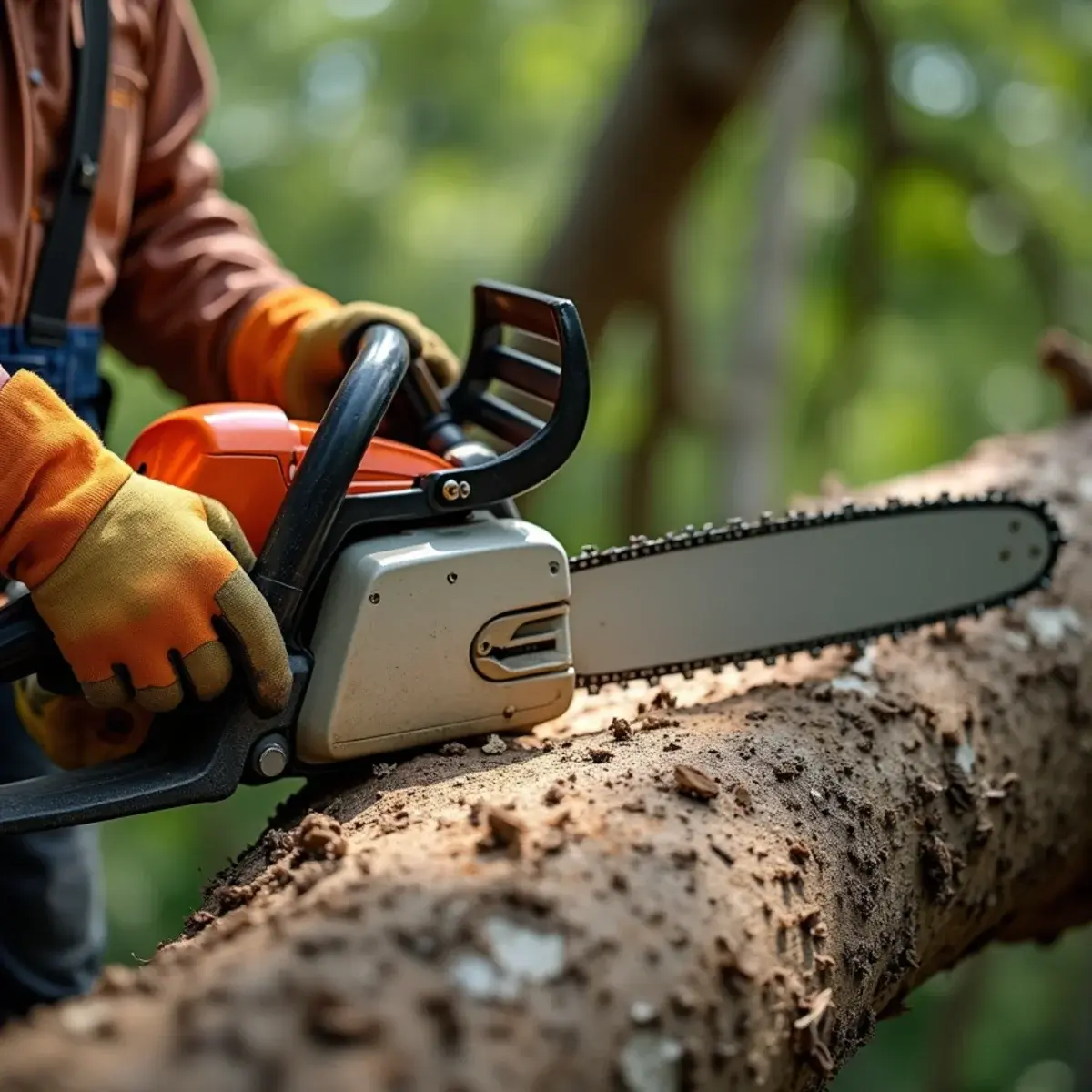
  • Deadwood being cut out of an oak canopy during deadwooding in St. Augustine, FL
  • Clean collar cut on a live oak limb during crown cleaning in St. Augustine, FL
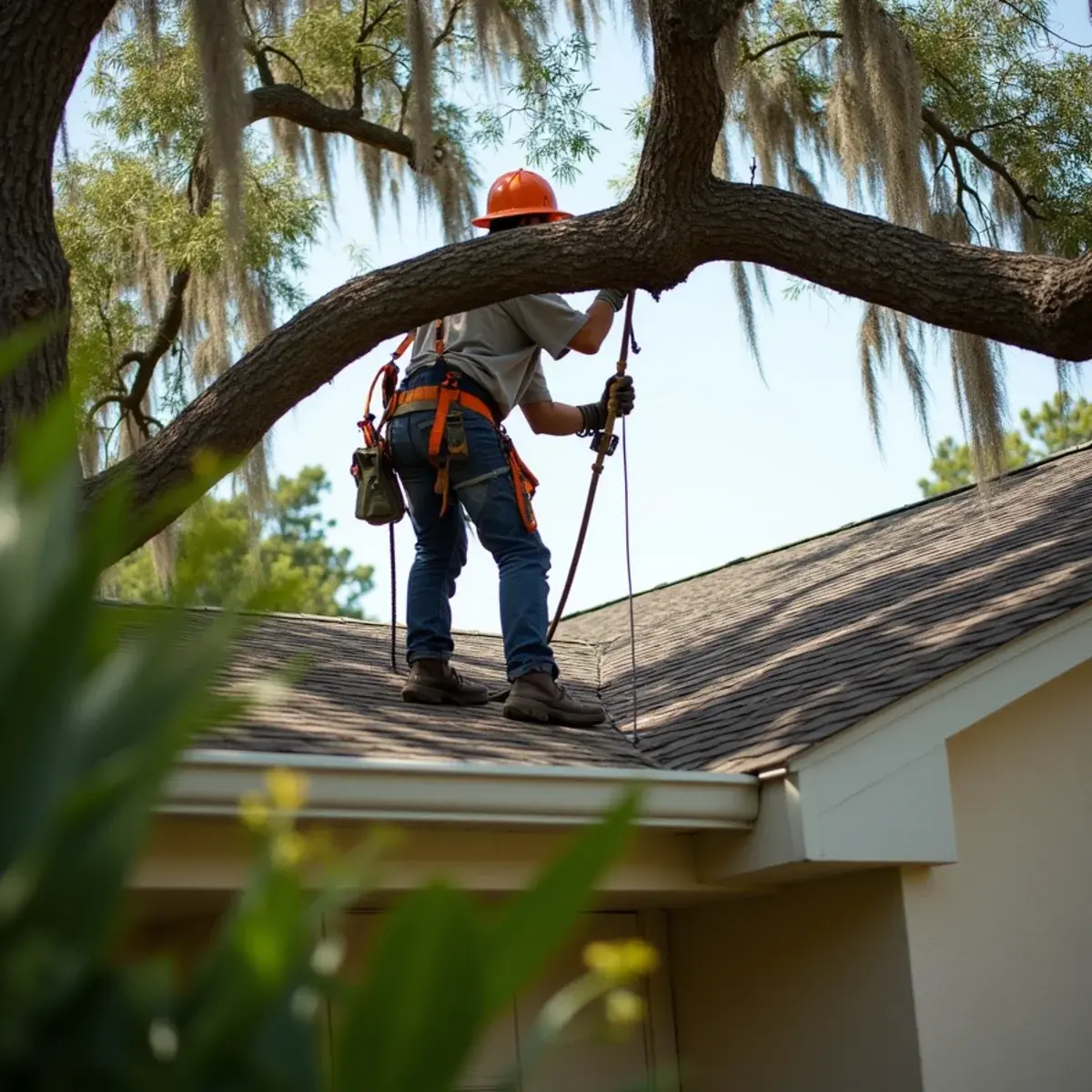
  • Dead limbs removed from above a roofline in St. Augustine, FL

Deadwooding versus trimming — what you are actually buying

People use "trimming" as a catch-all, but deadwooding is a specific and much narrower job. Trimming can mean thinning the canopy, raising the lower limbs, reducing over-extended branches or all three. Deadwooding touches none of the living structure. The saw only goes into wood that is already dead.

That distinction matters for two reasons. First, price: a crown cleaning on a tree you had structurally pruned two years ago is a fraction of the cost of another full trim. Second, tree health: because you are removing nothing living, there is no twenty-five percent canopy limit to respect and no stress response to manage. You can deadwood a struggling tree that could not safely take a structural prune.

If a company quotes you a "trim" and the crew only takes out dead wood, you were quoted a crown cleaning. It is worth knowing which one you are paying for.

Why Northeast Florida trees carry so much dead wood

Three local conditions put more dead material in our canopies than most of the country.

Dense, fast-closing canopies

Live oaks and laurel oaks here close canopy quickly and shade out their own lower and interior limbs. Those branches die on schedule as the tree grows — it is normal biology, not disease — but they stay attached for years and they are directly over whatever is beneath the tree.

Storm loading every summer

A limb that cracks in a June thunderstorm often does not fall. It hangs in the canopy, dies over the following months and comes down in the next strong gust. Hangers are some of the most dangerous material we remove because they have already lost their attachment.

Laurel and water oak decline

These two species are everywhere in St. Johns County, they grow fast, and they start shedding substantial limbs by their fifth or sixth decade. Heavy recurring deadwood in a laurel oak is usually the tree telling you it is entering decline, and that is a conversation worth having before a limb picks the time for you.

Deadwooding before hurricane season

If you only do one piece of tree work before June 1, make it this one. Deadwood has no flexibility — green wood bends and sheds wind load, dead wood simply fails — so the dead material in your canopy is statistically the first thing to come off in a tropical system and the most likely to reach your roof.

It is also the fastest work to schedule. A crown cleaning does not require the careful planning of a structural reduction, so we can usually fit deadwooding into the calendar well into May, after the window for heavy pruning has closed for the season.

Where we do this work

Deadwooding is one of our most requested services along the coast, where salt-pruned oaks and wind-shaped canopies shed consistently. We do a lot of it in Crescent Beach, Vilano Beach, Butler Beach and St. Augustine Beach, as well as throughout St. Augustine itself and the wider St. Johns County area.

Inland, the recurring work is in the older laurel oak neighborhoods — St. Augustine South, Fruit Cove, Julington Creek and Mandarin — where the trees were planted at the same time and reach the heavy-shedding stage together.

How deadwooding works, step by step

The same sequence on every job, so you know what is happening and when.

  1. 01Read the canopy from the groundRobert walks the drip line and looks up. Dead limbs show as bare gray wood with no leaf flush, often concentrated on the shaded or storm-damaged side of the tree.
  2. 02Climb it, do not spike itSpikes puncture living bark and invite decay into a tree you are keeping. Deadwooding is always a rope-and-saddle job here.
  3. 03Cut back to living tissue at the collarThe cut goes just outside the branch collar, where the tree can actually seal it. Flush cuts and stubs both leave wounds that never close properly.
  4. 04Work the whole canopy, not just what shows from the streetMost of the dead wood in a mature laurel oak is interior and invisible from the driveway. A real crown cleaning covers the back side too.
  5. 05Chip, rake and blowBrush is chipped as it comes down, the work area raked, and the drive and walkways blown clean before we load out.

Why choose Have Faith Trees for deadwooding

8+ years on Northeast Florida trees, 47 five-star Google reviews, licensed and fully insured — and these four things specific to this job.

  • This is the cut that actually prevents damage

    A dead limb has no flex left in it. It does not bend in wind, it snaps. Removing it is cheap insurance against a roof claim or a car.

  • No season to wait for

    Structural pruning has a best window. Deadwooding does not — dead wood does not get safer by sitting there, so we will book it any month of the year.

  • We tell you when it is more than deadwood

    If the dead limbs are a symptom of root damage, laurel wilt or decline rather than ordinary shedding, you get told that instead of being sold an annual cleaning that fixes nothing.

  • Licensed and insured, with 47 five-star reviews

    Work over a roof is exactly where insurance stops being a formality. Ours is current, and we will send the certificate before we start.

What affects the price

We do not publish flat prices, because an honest tree quote depends on the specific tree in front of us. These are the factors we are weighing when we walk your property.

Canopy size and height
A sixty-foot live oak takes far longer to work than a twenty-foot ornamental, because the climber has to reach every quadrant.
How much dead wood is up there
A tree cleaned two years ago is quick. One that has never been touched can hold a surprising volume of interior deadwood.
What is underneath
Pool cages, screen rooms and glass sunrooms mean every piece gets rigged and lowered rather than dropped.
Number of trees
Cleaning five oaks on one visit costs much less per tree than five separate call-outs.
Access for chipping
If the chipper can sit on the drive near the work, the job moves faster than hauling brush around a house.
Hangers and storm damage
Broken limbs caught in a canopy are slower and more hazardous to remove than ordinary attached deadwood.

Deadwooding questions we get asked

What is deadwooding?
Deadwooding, also called crown cleaning, is the removal of dead, dying, diseased and broken branches from a tree canopy. Nothing living is cut. It is the most common maintenance pruning we do in St. Augustine and the most effective at reducing the risk of a limb coming down on something.
What time of year should deadwooding be done?
Any time. Unlike structural pruning, which we prefer to do between January and March, removing dead wood puts no stress on a tree because the material is already dead. If there is dead wood over your roof in August, there is no reason to wait until winter.
How much does deadwooding cost in St. Augustine?
It depends mostly on canopy size, how much dead material is present and what sits underneath the tree. A crown cleaning is normally well below the cost of a full structural trim on the same tree, because we are not reshaping anything. Estimates are free and given on site after we have actually looked up into the canopy.
Is deadwooding bad for the tree?
No. It is one of the few pruning operations with essentially no downside, because no living tissue is removed. The one caveat is technique: cuts must be made at the branch collar, not flush to the trunk, or you create a wound the tree cannot seal.
Do I need a permit to have dead limbs removed?
No. Permits in St. Johns County and the City of St. Augustine apply to removing protected trees, not to pruning dead wood out of one you are keeping. If a tree turns out to need removal rather than cleaning, we handle the permit paperwork for you.
My tree keeps dropping dead branches every year. Is that normal?
Some shedding is normal as a canopy closes and lower limbs are shaded out. Increasing amounts of dead wood year over year usually is not, and often points to root damage, drainage changes or decline rather than anything happening in the canopy. That is worth a risk assessment before another cleaning.

Related tree services

Further reading

Deadwooding & Crown Cleaning across Northeast Florida

We run deadwooding & crown cleaning jobs throughout St. Johns County and the surrounding coast. Pick your city for local tree notes and conditions.

Book deadwooding in St. Augustine

Free on-site estimate, written price before we start, and full cleanup included. Same-day response for genuine hazards.

  • 47 five-star reviews
  • Licensed & insured
  • 24/7 storm response
Call NowFree Quote

47 five-star reviews · Licensed & insured · Free estimates