Short answer
Homeowners are generally bad at judging tree risk, and that is not a criticism — the signs that look alarming are often harmless, and the ones that genuinely matter are easy to miss.
Here are the nine indicators we take seriously, ranked roughly by urgency, along with the two that panic people unnecessarily.
1. A new lean, especially after rain
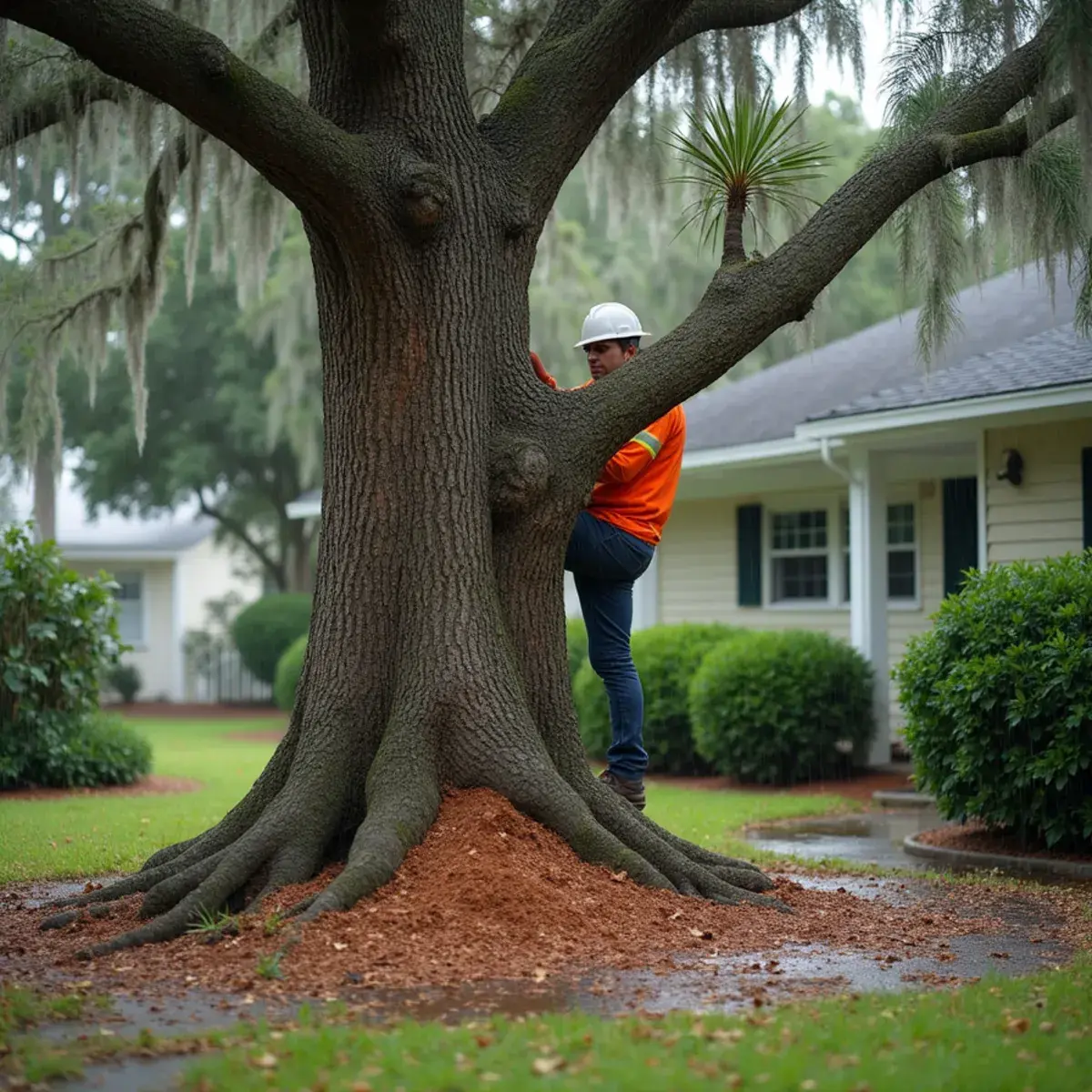
A tree that has always leaned is usually fine — it grew that way, and it has built reaction wood to compensate. A tree that leans more than it did last month is a different matter entirely.
Look at the soil on the side opposite the lean. If it is cracked, heaved, or mounded, the root plate is lifting and the tree is actively failing. That is a same-day call. In our sandy Northeast Florida soil this happens after sustained rain, which is why so many failures follow a wet week rather than the storm itself.
2. Conks or mushrooms on the trunk or root flare
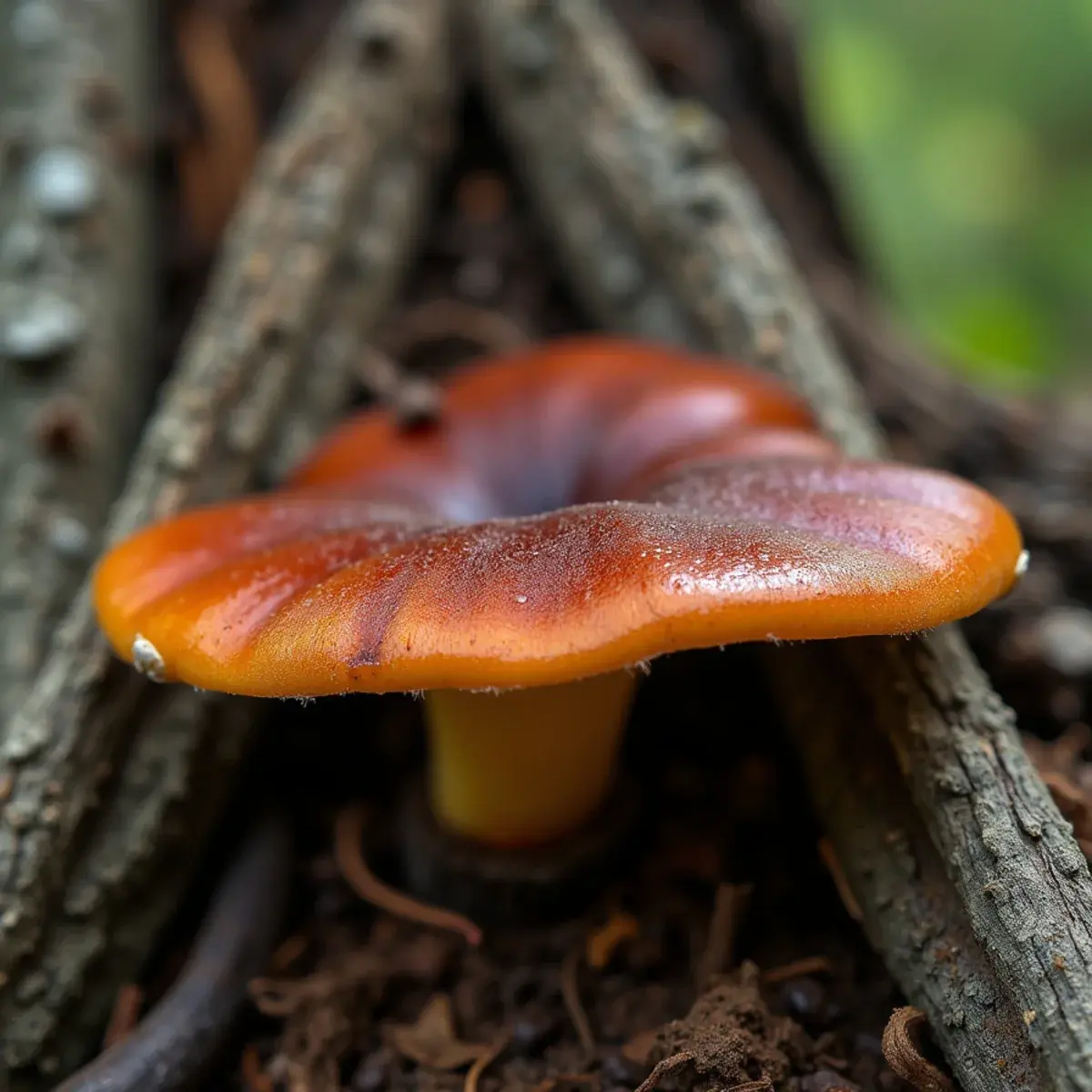
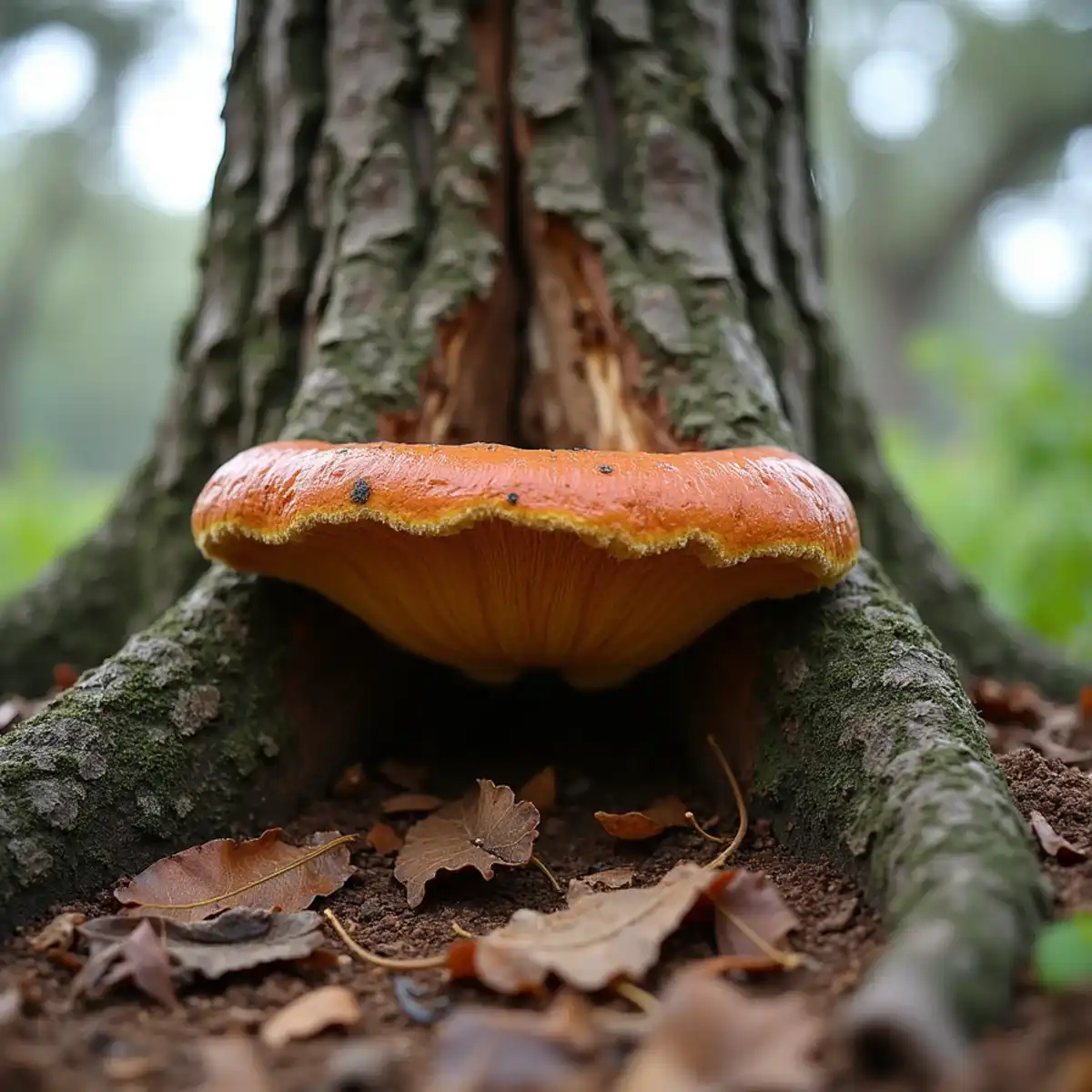
Fungal fruiting bodies on the trunk or at the base mean the fungus has already been decaying internal wood for years — the conk is the last stage, not the first. Ganoderma, the most common one we find here, produces a hard shelf with a shiny reddish-brown top.
There is no treatment. The question becomes structural: how much sound wood remains, and what is underneath the tree. Mushrooms growing in the mulch or lawn nearby are usually harmless decomposers; it is growth attached to the tree itself that matters.
3. Large dead limbs in the upper canopy
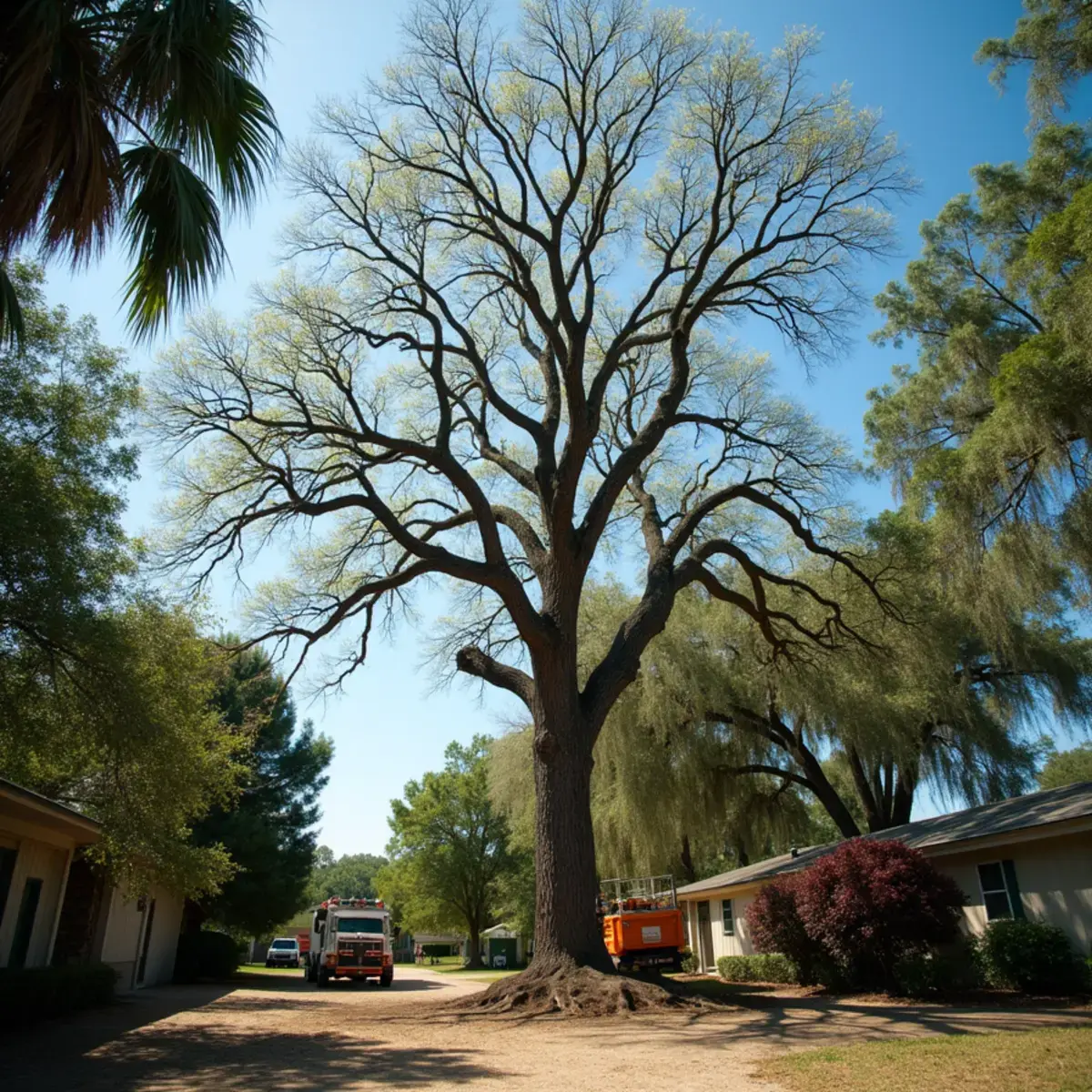
Deadwood is what falls first, and it falls without wind. A canopy with substantial dead limbs is a hazard even on a calm day.
Some deadwood is normal — interior branches shaded out by the canopy above die off naturally. What matters is dead wood at the top and on the outer canopy, which often indicates a root or vascular problem rather than simple shading.
4. Canopy dieback starting at the tips
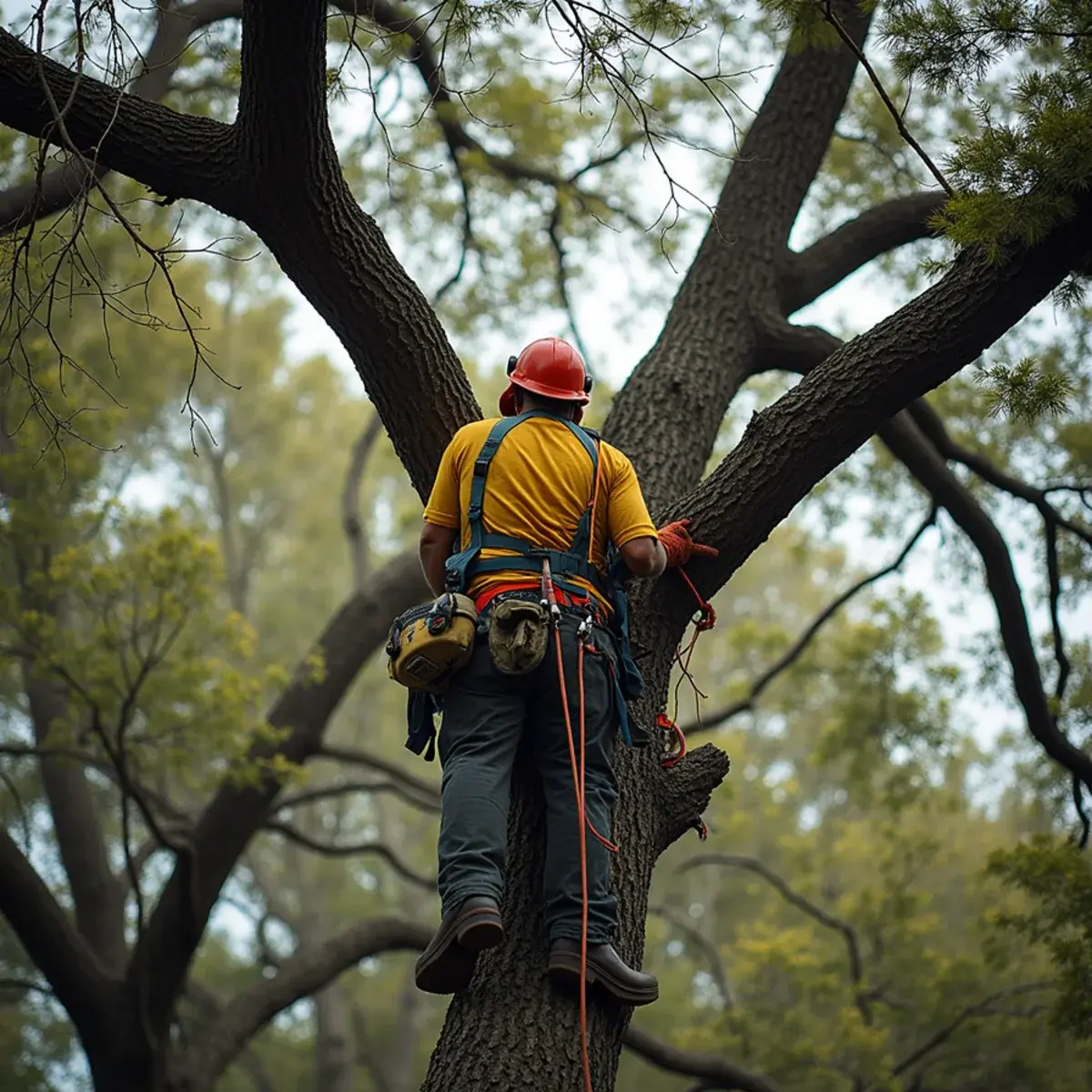
When branches die back progressively from the tips inward, the tree is telling you it cannot supply its extremities. That usually points to a root problem — construction damage, chronic saturation, girdling roots, or a vascular disease.
Timing matters here. In Northeast Florida, trees stressed by our spring dry season can look alarming in May and recover completely by August. Dieback that persists across seasons and worsens year over year is the real signal.
5. Cracks, seams, and splitting unions
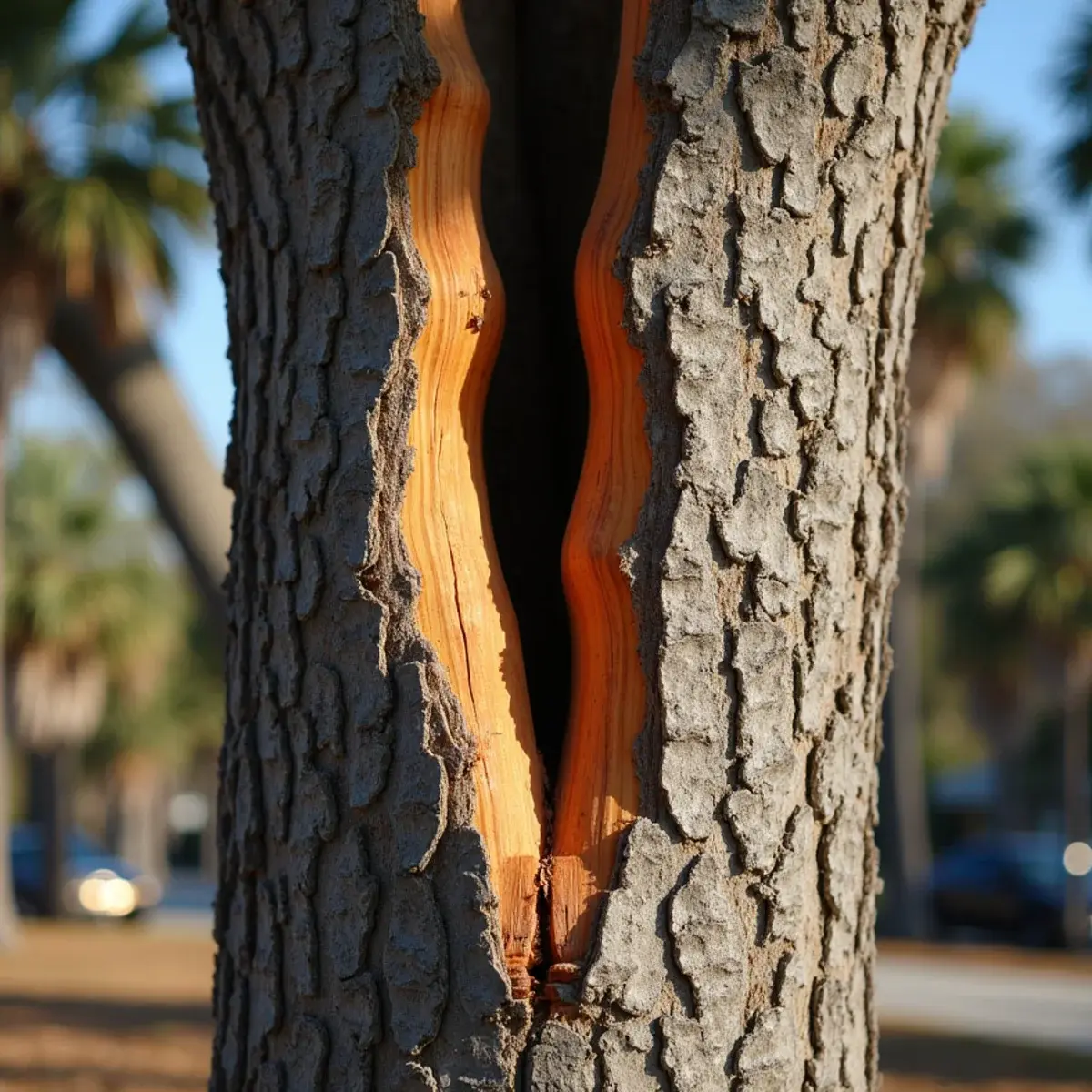
A vertical crack running down the trunk, or a seam opening at a fork where two trunks meet, means the tree is coming apart under its own load. Codominant stems with included bark — two similar-sized trunks in a tight V — are the classic version of this.
Not always a removal. A union with sound wood around it can often be saved with cabling and bracing paired with weight reduction. A union with decay in it cannot.
6. Root damage from construction
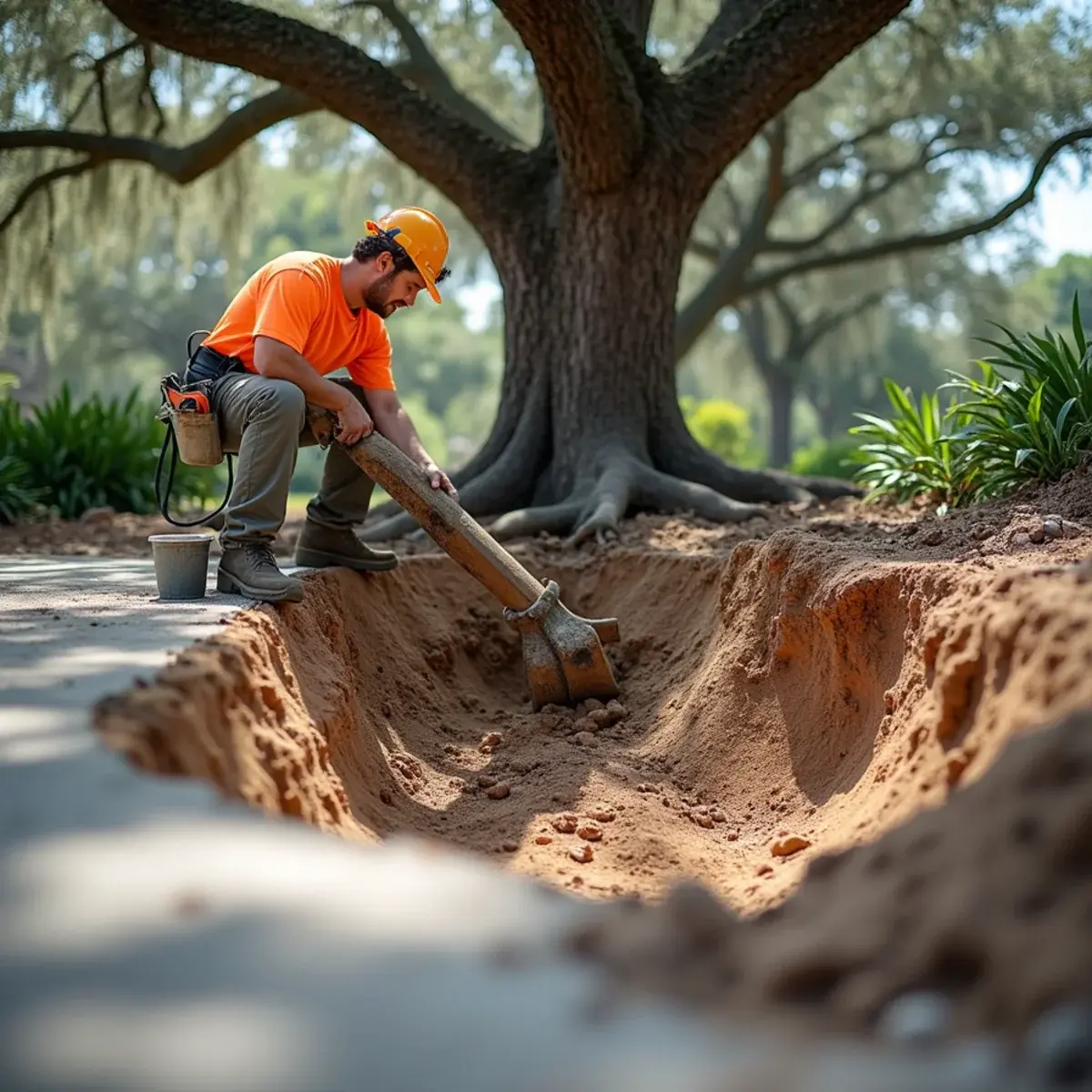
This is the one nobody connects. A driveway poured, a trench dug, a pool installed, or a slab added inside the drip line severs roots, and the canopy does not show it for two to four years.
If a tree started declining and you cannot think why, ask what changed on the property three years ago. Once significant root loss has occurred there is limited recovery, and a tree with a compromised root system over a house is a genuine risk regardless of how good the canopy still looks.
7. Species and age
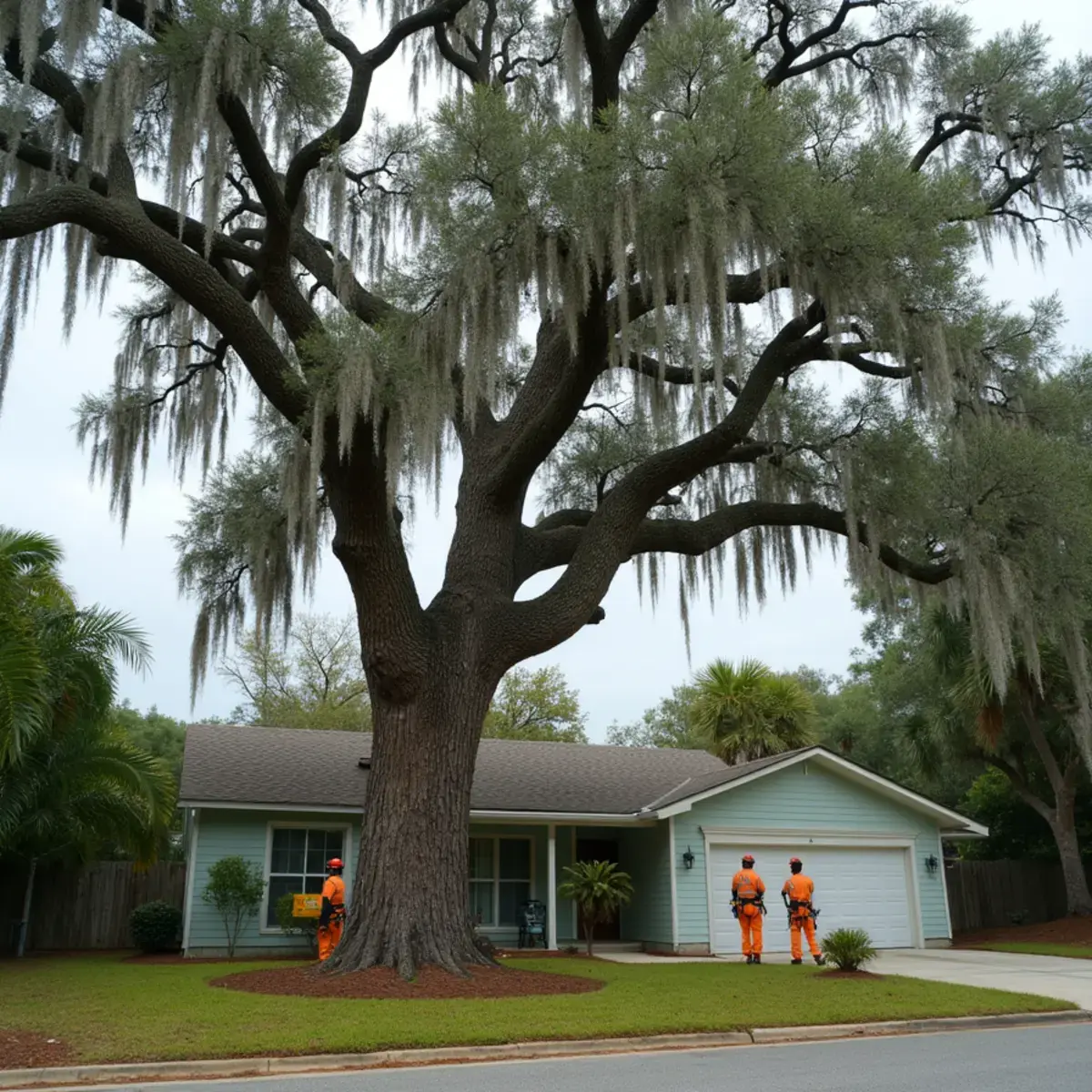
Some trees are simply near the end. Laurel oak and water oak — planted everywhere in Northeast Florida in the postwar decades because they grow fast — typically live 50 to 70 years and begin decaying internally well before that.
If you have a 55-year-old laurel oak over your roof in St. Augustine South or Orange Park, it deserves an inspection regardless of how it looks. That is the single most common removal we do.
8. Repeated limb failure
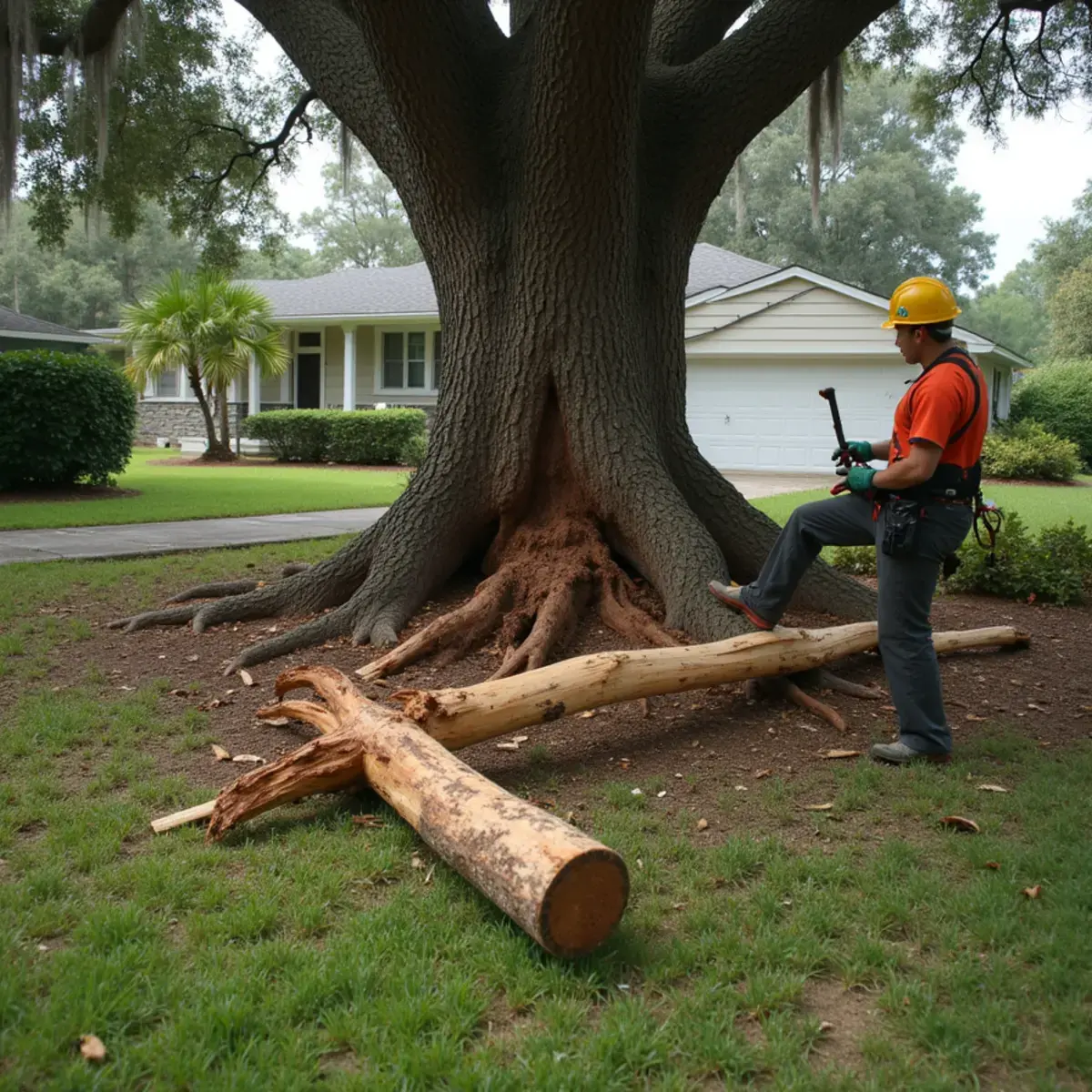
A tree that drops a significant limb every storm season is telling you something about its structure. Sometimes the fix is pruning out the deadwood and reducing the over-extended limbs. Sometimes the pattern is a symptom of decline that will not stop.
One failure is an event. Three failures is a trend.
9. A hollow trunk — with a caveat
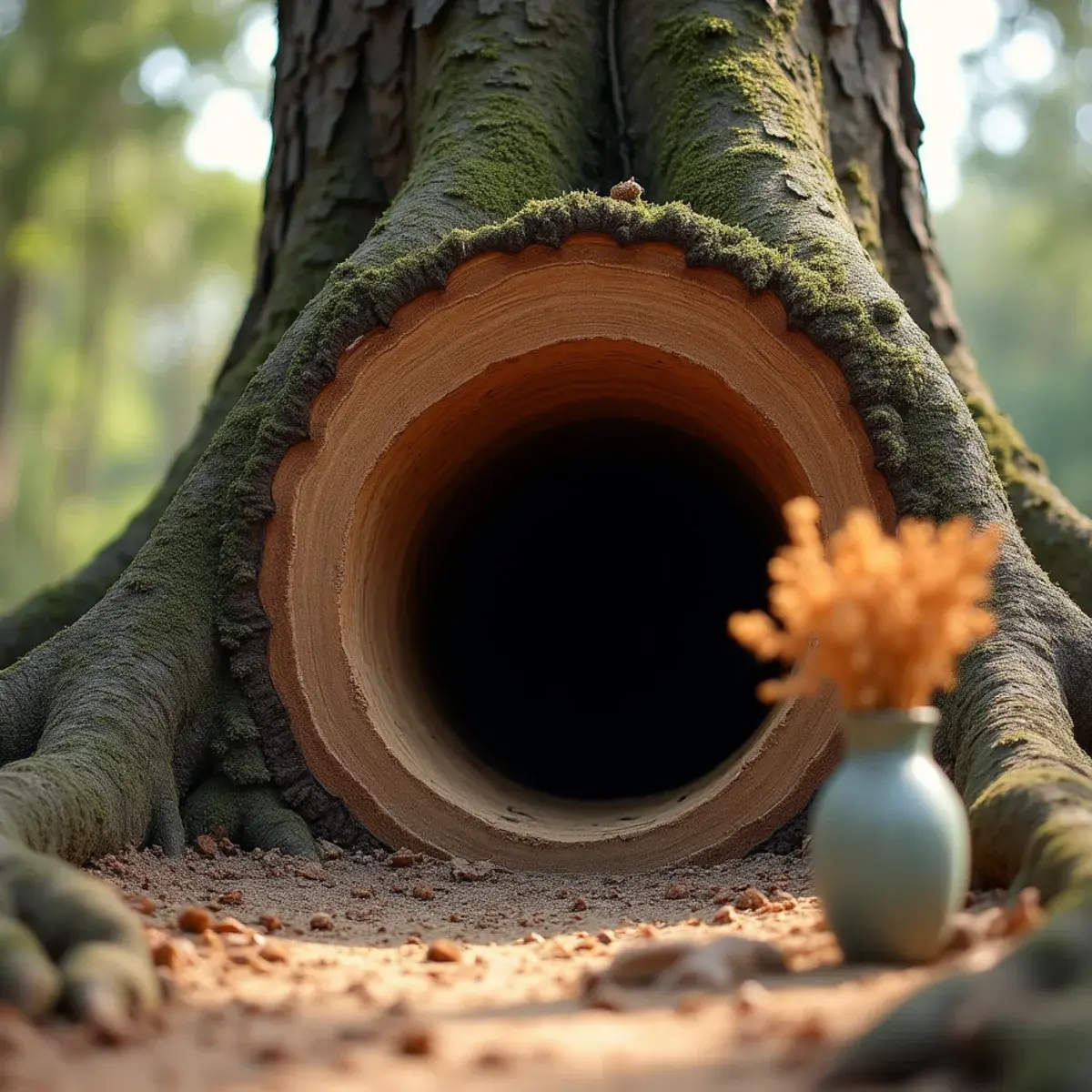
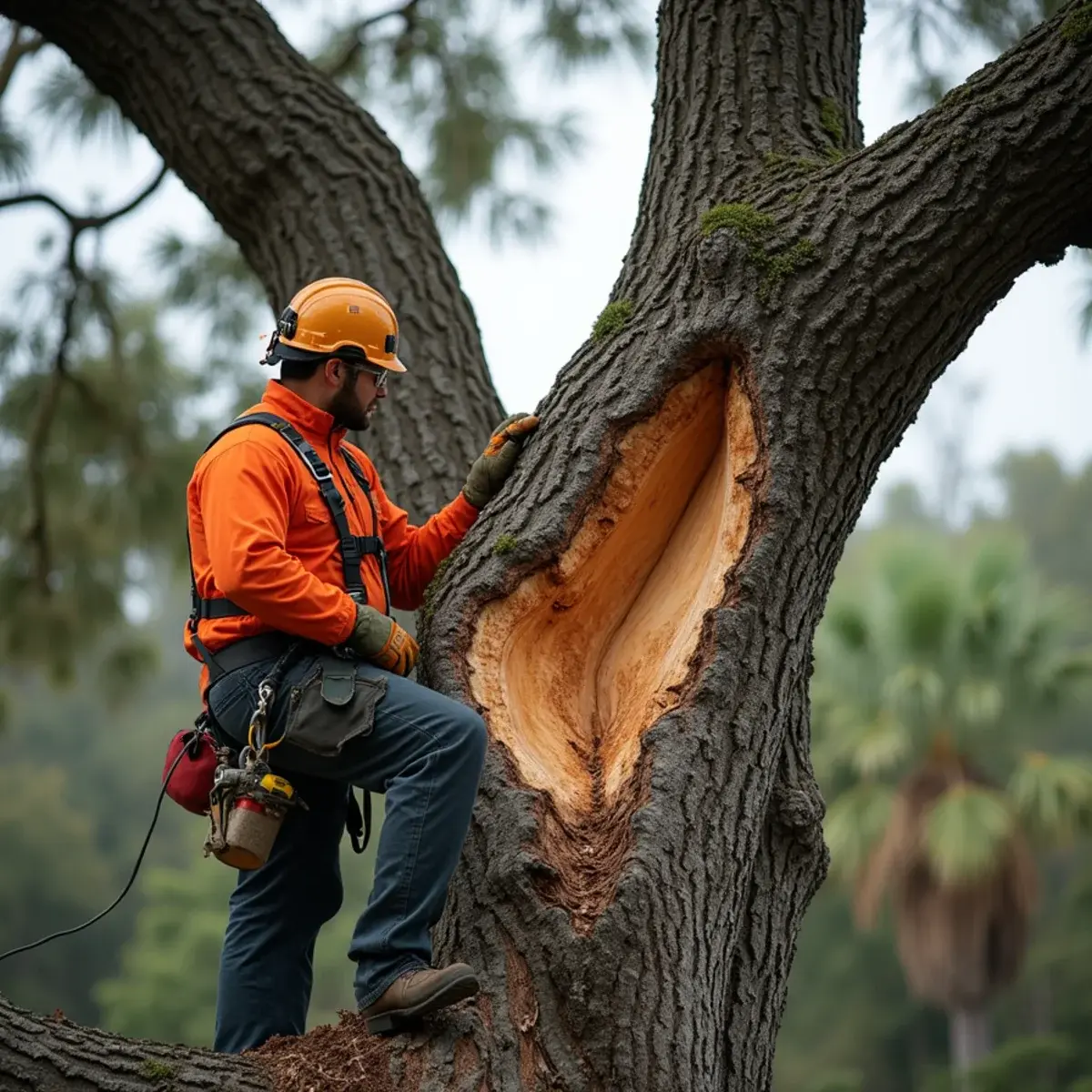
Hollowing is the sign that frightens people most and means the least on its own. Trees are engineered as hollow tubes, and a sound outer shell of adequate thickness carries load perfectly well. Plenty of magnificent old live oaks are substantially hollow and completely stable.
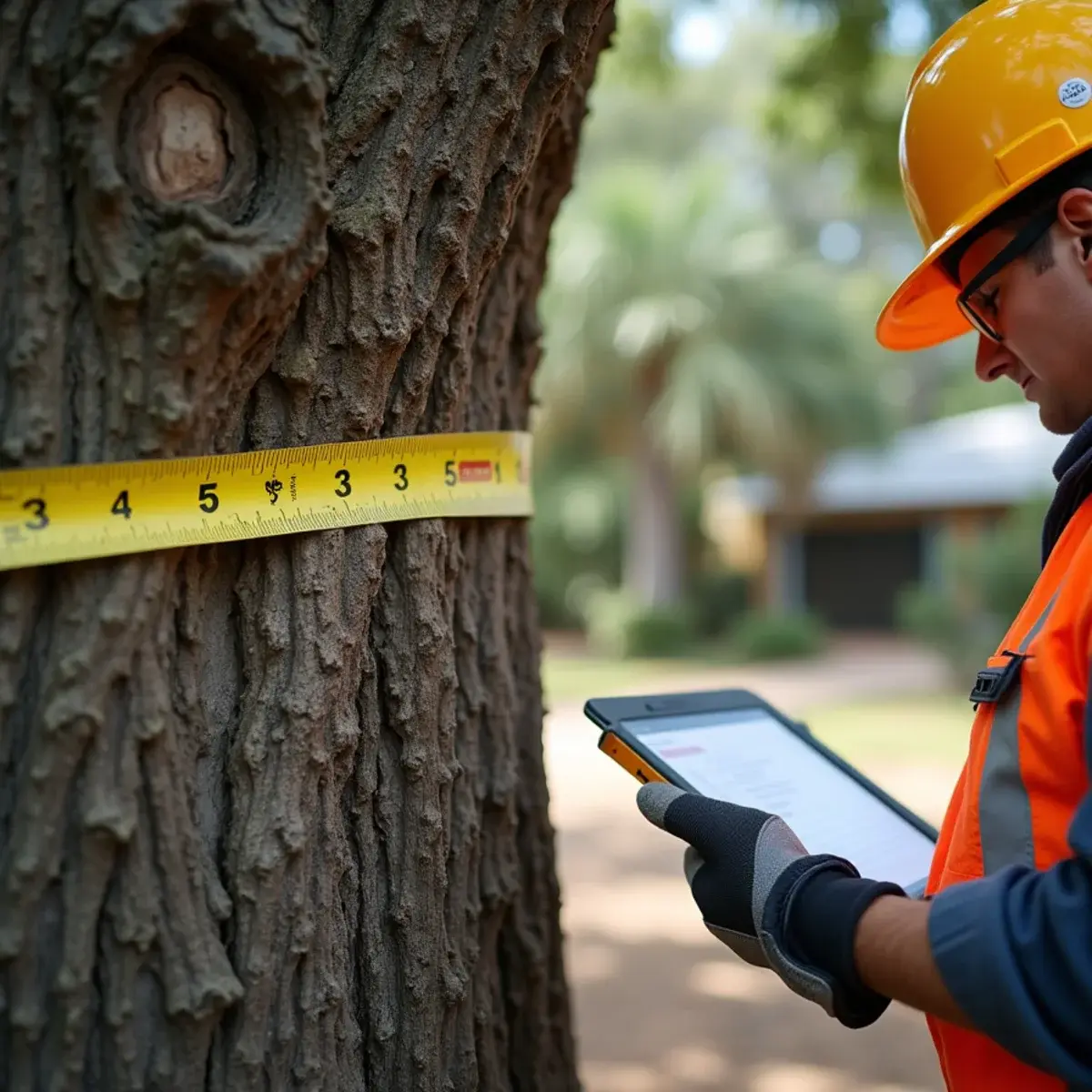
What matters is the ratio of sound wood to trunk radius, plus openings that break the tube. That takes measurement. A hollow tree with a thick shell and no target underneath is a wildlife feature; a hollow tree with a thin shell over a bedroom is a problem.
The two that usually mean nothing
Spanish moss does not harm trees. It is an epiphyte that takes nothing from its host — it just accumulates more visibly on trees that are already thinning, which is how the myth started.
Surface roots are normal in our sandy soil, particularly for oaks. They lift sod and catch mower decks, which is annoying, but they are not a sign of ill health, and cutting them to tidy up the lawn is one of the fastest ways to destabilize an otherwise healthy tree.
Frequently asked questions
The bottom line
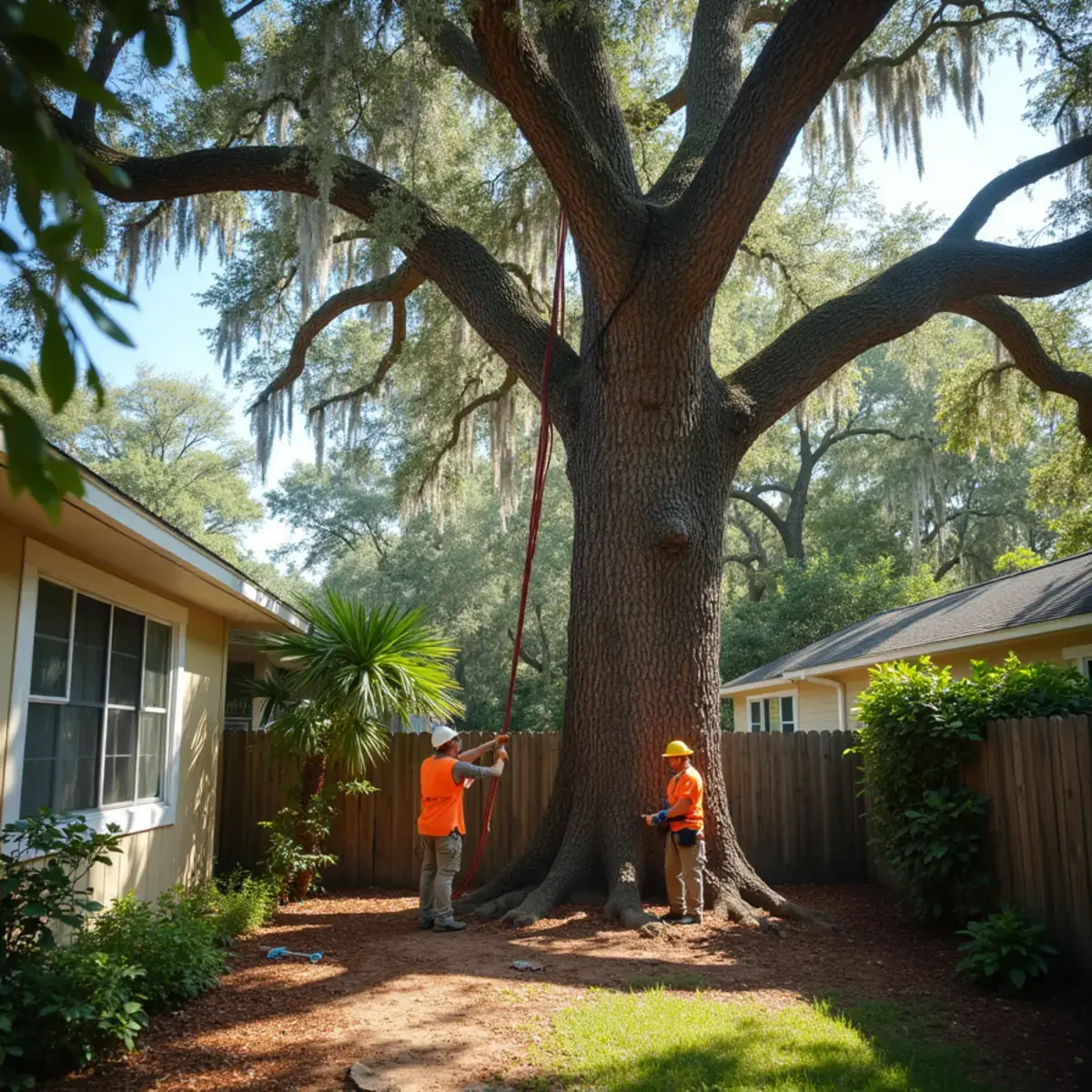
If two or more of these apply to a tree over your house, driveway, or a space where people spend time, get it assessed properly.
Our tree risk assessment service is a paid, standalone diagnosis specifically so there is no incentive to find a problem that is not there — and the fee comes off any work you hire us for.
Want a real answer about your specific tree?
Call +1 (208) 635-2100 for a free on-site estimate across St. Augustine and St. Johns County. We will tell you plainly what it needs — including when the answer is nothing.
- 47 five-star reviews
- Licensed & insured
- 24/7 storm response