Have Faith Trees — tree service in St. Augustine, FL
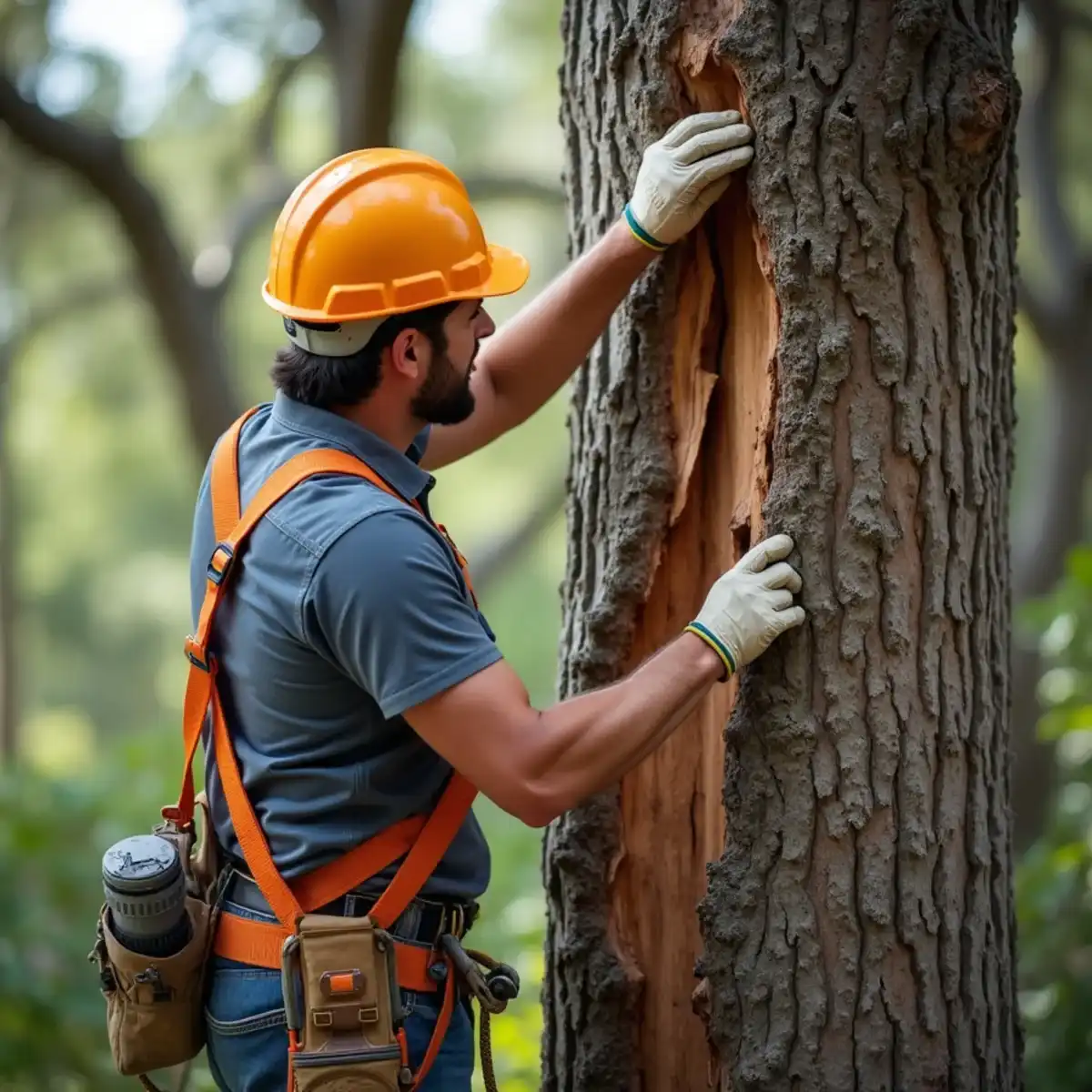
Arborist inspecting fungal decay and beetle damage on an oak trunk in St. Augustine, FL

St. Augustine, FL

Tree Disease & Pest Treatment in St. Augustine, FL

Trees in Northeast Florida deal with a rough hand: sandy soil that holds almost no nutrients, a water table that swings from flooded to bone dry, salt spray along the coast, and a long warm season that lets fungi and insects work nearly year-round.

  • Diagnosis before treatment
  • Soil and root-zone care
  • Deep-root fertilization
  • Honest prognosis

Short answer

Most 'dying' trees in St. Augustine are stressed rather than sick — compacted soil, a buried root flare, or lawn irrigation running daily on a mature oak. Have Faith Trees diagnoses before treating: site history, root collar, trunk, bark and branch tips, and lab confirmation where a definitive ID is warranted. Then we treat the actual problem, or tell you honestly that treatment is not worth your money.

Most of what we get called about is one of three things — a real pathogen, an insect, or a stressed tree that looks sick and is not. Getting that distinction right is the whole job, because treating the wrong thing wastes money and lets the actual problem keep going.

Symptoms worth having diagnosed

  • Sudden wilting of an entire section of canopy while the leaves stay attached — a classic vascular-disease sign
  • Sawdust-like frass, toothpick-shaped strands, or tiny round holes on the trunk
  • Mushrooms, conks, or bracket fungus at the base or on the trunk
  • Leaf spotting, blotching, or premature drop across the whole canopy
  • Black sooty mold coating leaves and everything underneath — usually a scale or aphid problem
  • Yellowing or frizzled new growth on palms
  • Branch dieback that started at the tips and is working inward
  • Bark splitting, oozing, or coming away in sheets

What’s included with tree disease & pest treatment

Every line below is part of the quoted price. No hidden fees, and nothing discovered halfway through the job.

  • Diagnosis first — site history, what changed on the property, and whether one tree or several are affected
  • Root collar, trunk, bark and branch-tip examination, including under the bark where a vascular pathogen is suspected
  • A plain answer on whether you are looking at a pathogen, an insect, or a stressed tree that is not sick at all
  • Treatment matched to the diagnosis: soil decompaction, deep-root fertilization, root collar excavation, targeted trunk injection or timed insecticide
  • Sanitation pruning with tools sterilized between cuts where infected material has to come out
  • An honest prognosis, including when treatment is possible but not worth your money

Typical timeline

Diagnosis is a single visit. Soil and fertilization work is usually same-day; some pests need a follow-up timed to their life cycle rather than to the calendar.

Quoted separately

  • Annual spray contracts — healthy trees in the right site do not need routine chemical treatment and we will not sell you one
  • Lab testing where a definitive ID is warranted; we will tell you when it is worth doing

Free estimate for disease & pests in St. Augustine

Call +1 (208) 635-2100 and describe the tree, or send the form below and we will get back to you the same day.

  • 47 five-star reviews
  • Licensed & insured
  • 24/7 storm response

Disease & Pests on the job in St. Augustine
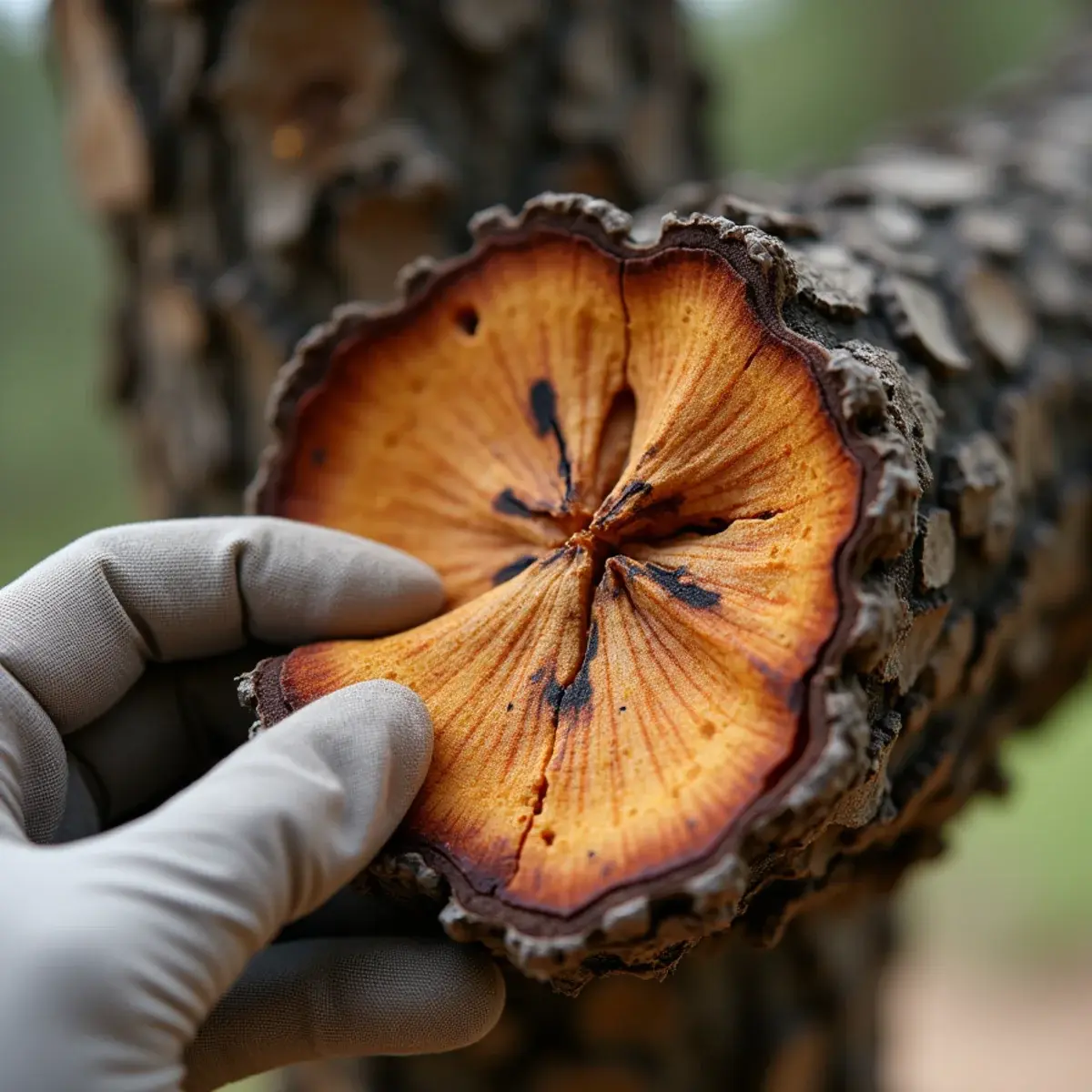
Real work, photographed on St. Johns County properties.

  • Bark peeled showing staining, tree disease & pest treatment in St. Augustine, FL
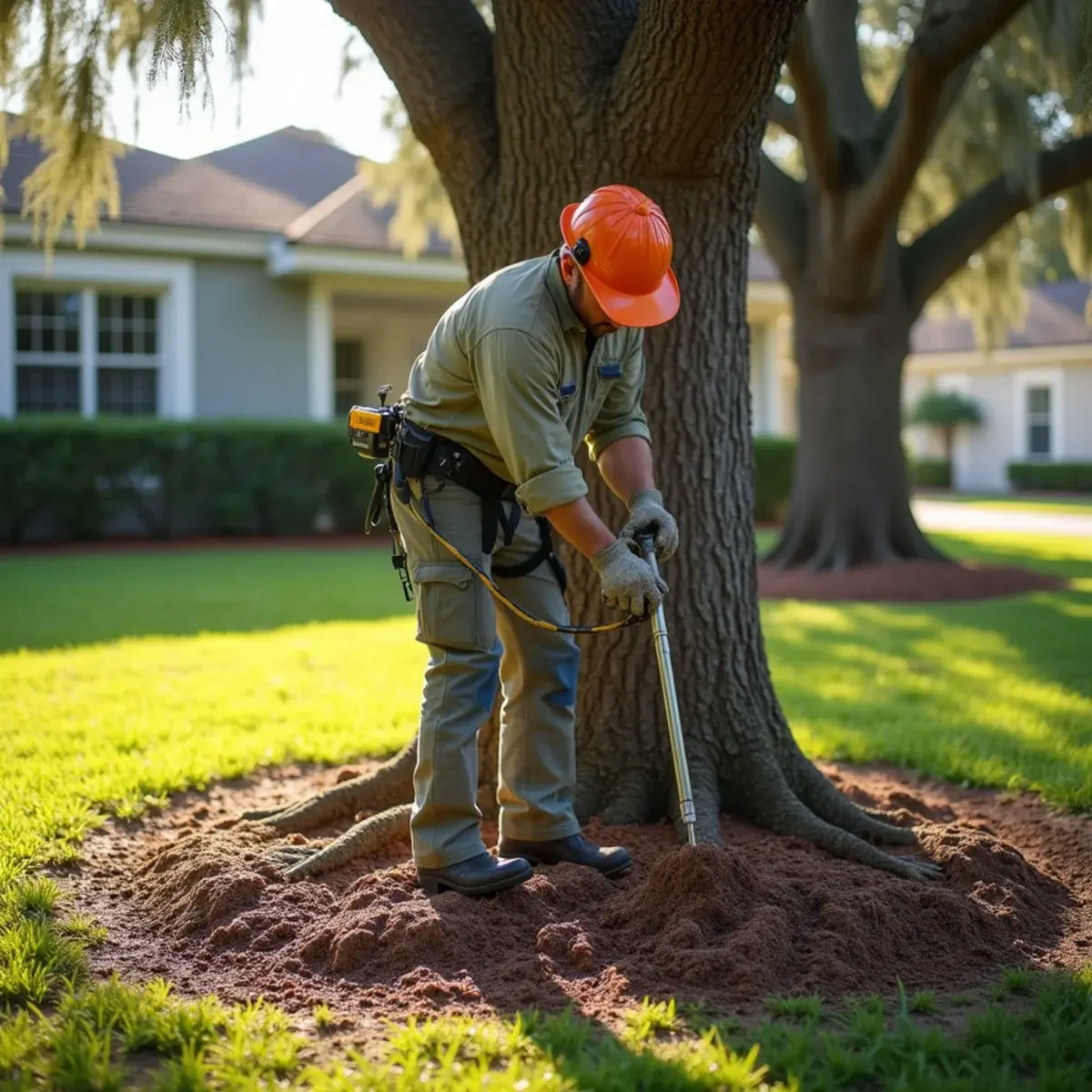
  • Soil injection treatment, tree disease & pest treatment in St. Augustine, FL
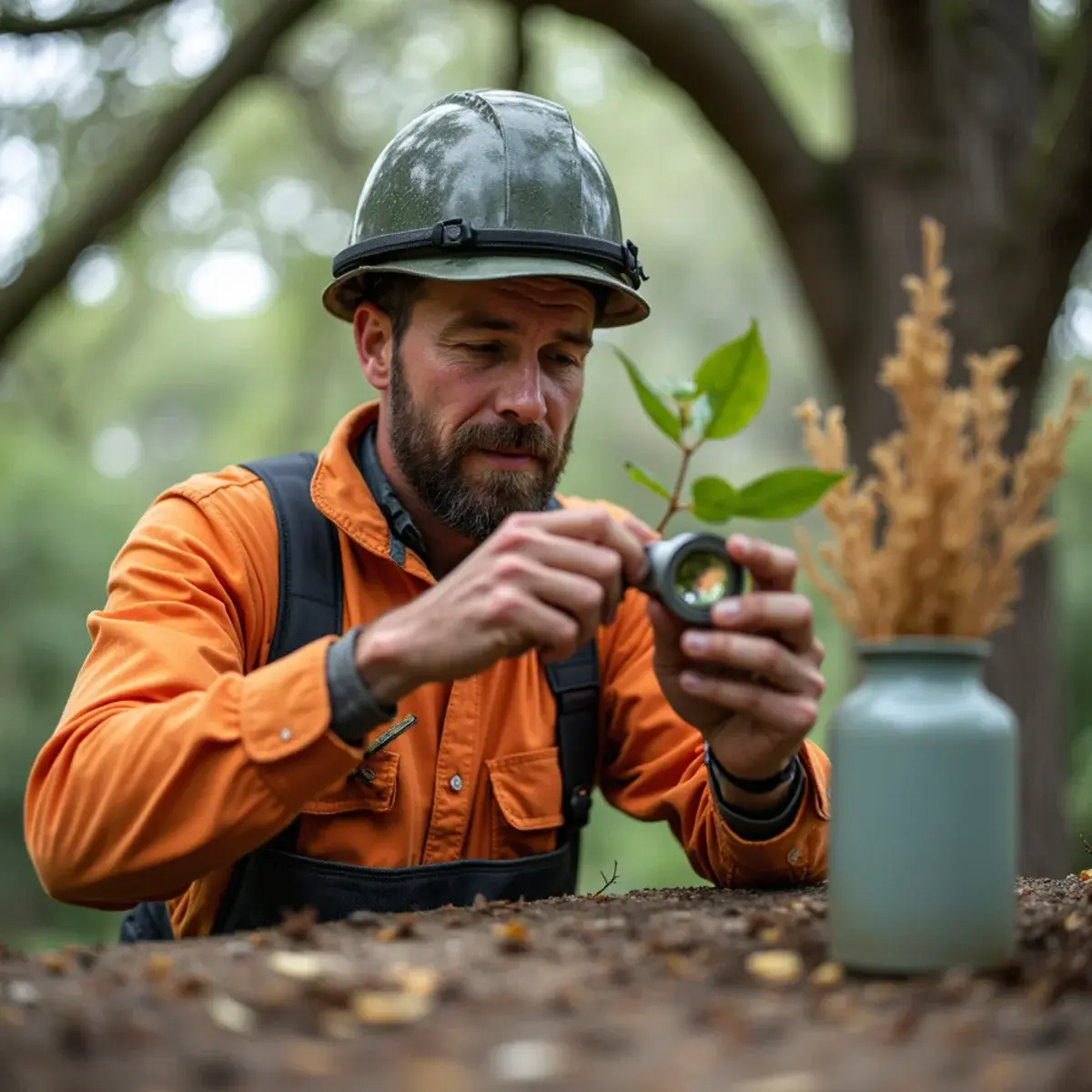
  • Arborist with hand lens, tree disease & pest treatment in St. Augustine, FL

The diseases and pests that matter here

These are the problems we actually diagnose in St. Johns, Flagler, and southern Duval counties, in rough order of how often we see them.

Laurel wilt

A fungus carried by the redbay ambrosia beetle that has devastated redbay and swamp bay across coastal Florida, and also attacks avocado and sassafras. Symptoms are dramatic: the canopy wilts and browns within weeks while leaves cling to the branches. Peel the bark and you will find dark streaking in the sapwood. There is no practical cure for an infected tree. Preventive injection can protect high-value uninfected trees nearby, and infected wood should not be moved off the property — that is how it spreads.

Ambrosia and bark beetles

Ambrosia beetles bore into stressed trees and push out fine toothpick-like frass strands. They are almost always a symptom rather than a cause — they attack trees already weakened by flooding, drought, or root damage. Treating the stress matters more than spraying the beetles. Southern pine beetle and Ips beetles hit pines under drought stress and can kill quickly.

Root and butt rots

Ganoderma is the big one, in palms and hardwoods both. The shelf conk at the base means internal decay is already advanced and there is no treatment. Armillaria and various butt rots show up as mushrooms at the root flare. These are structural problems as much as health problems.

Palm disorders

Lethal bronzing (a phytoplasma spread by planthoppers) kills palms across Florida and can sometimes be prevented with antibiotic injection on high-value specimens. Bud rot follows storm flooding. Most of the "sick" palms we see, though, are simply potassium or manganese deficient from our sandy soil, and correcting the fertilizer program fixes them.

Scale, aphids, and sooty mold

Cosmetic more than fatal in most cases. The insects excrete honeydew, black mold grows on it, and everything under the tree turns sooty. Treating the insect clears the mold on its own over time. Common on crape myrtle, citrus, magnolia, and holly.

Diagnosis before treatment, every time

A visit starts with the whole picture, not the symptom. When did it start? What changed on the site — new sod, new irrigation, a driveway poured, a trench dug, a pool put in? Is one tree affected or several? Is the dieback on one side or the whole canopy?

From there we examine the root collar, the trunk, and the branch tips, and look at what is under the bark where relevant. When a lab test is warranted for a definitive answer — laurel wilt confirmation, for example — we will tell you rather than guessing.

A large share of the calls end with the same answer: the tree is stressed, not diseased. Compacted soil, a buried root flare, an irrigation system running daily on a mature oak that hates wet feet, or root damage from construction three years ago. Those problems are fixable, and fixing them is cheaper than any chemical.

Treatments we use

Where a treatable problem exists, the tools are straightforward and we match them to the diagnosis.

  • Soil decompaction and root-zone aeration to get air and water back into a compacted root system.
  • Deep-root fertilization with a slow-release, tree-appropriate formulation injected into the root zone rather than broadcast on the lawn.
  • Root collar excavation to uncover a buried trunk flare and remove girdling roots before they strangle the tree.
  • Systemic trunk injection for specific pests and vascular pathogens on trees where it is genuinely effective.
  • Targeted insecticide application for scale, aphids, and borers, timed to the pest life cycle rather than sprayed on a schedule.
  • Mulching and irrigation correction, which sounds too simple to matter and resolves more problems than everything else combined.
  • Sanitation pruning to remove infected material, with tools sterilized between cuts.

When treatment is not worth it

We will tell you when a tree cannot be saved. Palms with ganoderma, redbays in the late stages of laurel wilt, hardwoods with extensive butt rot — these are removals, and pouring money into treatment only delays the inevitable while the hazard grows.

We will also tell you when treatment is technically possible but not economically sensible. Injecting a declining 40-year-old laurel oak every year to keep it standing over a driveway is money you will spend forever on a tree that is going to lose anyway. Removing it and planting a live oak now means your grandchildren get a good tree.

What we will not do is sell an annual spray program to a healthy tree. If your trees do not need treatment, you will hear that.

How disease & pests works, step by step

The same sequence on every job, so you know what is happening and when.

  1. 01Take the site history firstWhen did it start, and what changed on the property? Construction, trenching, a driveway pour or a pool dig two to four years ago explains a lot of decline.
  2. 02Examine root collar to branch tipBuried flares, girdling roots, conks, bark condition, frass and dieback pattern — and under the bark where a vascular pathogen is suspected.
  3. 03Separate pathogen from pest from stressA canopy section wilting with leaves still attached, toothpick frass, conks at the flare and frizzled palm growth all point in different directions.
  4. 04Treat the cause, not the symptomSoil decompaction, deep-root fertilization, root collar excavation, targeted trunk injection, or timed insecticide matched to the pest life cycle.
  5. 05Re-check and adjustSome pests need a follow-up timed to their cycle. Nutritional corrections show in the next flush of growth rather than immediately.

Why choose Have Faith Trees for disease & pests

8+ years on Northeast Florida trees, 47 five-star Google reviews, licensed and fully insured — and these four things specific to this job.

  • Diagnosis first, always

    Treating the wrong thing wastes your money and lets the real problem keep going. Half the calls we take end with 'this tree is stressed, not sick'.

  • No annual spray contracts

    Healthy trees in the right site do not need routine chemical treatment, and we will not sell you a subscription to one.

  • We know the local pathogens

    Laurel wilt in redbay, ganoderma in palms and hardwoods, ambrosia and Ips beetles in stressed trees, and the nutrient deficiencies our sandy soil produces.

  • Honest prognosis, including 'no'

    Palms with ganoderma and redbays in late-stage laurel wilt cannot be saved. Pouring money into treatment only delays it while the hazard grows.

What affects the price

We do not publish flat prices, because an honest tree quote depends on the specific tree in front of us. These are the factors we are weighing when we walk your property.

Diagnosis complexity
A clear-cut identification is quick; ambiguous decline needs a fuller site investigation and sometimes lab confirmation.
Tree size
Injection and soil treatment volumes scale with trunk diameter and root-zone area.
Treatment type
Soil amendment and fertilization cost far less than systemic trunk injections.
Number of trees
Treating a stand of pines or a row of palms together is cheaper per tree than a single treatment.
Repeat applications
Some pests require a follow-up timed to their life cycle; preventive injections have multi-year intervals.
Associated pruning
Sanitation pruning to remove infected wood is often quoted with the treatment.

Disease & Pests questions we get asked

What is killing the redbay trees in my woods?
Almost certainly laurel wilt, a fungal disease spread by the redbay ambrosia beetle. It has killed redbay and swamp bay across coastal Florida. Infected trees cannot be cured, and the wood should not be moved off the property because that spreads the beetle.
Can you save a tree with mushrooms growing on the trunk?
Usually not in the way people hope. Conks and mushrooms on the trunk or root flare mean the fungus has already decayed a meaningful volume of internal wood. There is no treatment that reverses it. The question becomes structural — how much sound wood is left and what is underneath the tree.
Why are my palm fronds turning yellow?
Most often a potassium or magnesium deficiency, which is extremely common in Northeast Florida sand. Yellowing that starts on the oldest lower fronds is typically nutritional and correctable with proper palm fertilizer. Problems appearing first in the newest growth are more serious.
Do I need a yearly spray program for my trees?
Almost never. Healthy trees in the right site do not need routine chemical treatment. We treat identified problems and fix the underlying site conditions, which resolves most complaints without an ongoing contract.
My tree looked fine last year and is dying now. What happened?
Very often it is root damage from construction, trenching, or a driveway pour two to four years earlier. Trees run on stored reserves and decline on a delay. That is one of the first things we ask about.

Related tree services

Further reading

Tree Disease & Pest Treatment across Northeast Florida

We run tree disease & pest treatment jobs throughout St. Johns County and the surrounding coast. Pick your city for local tree notes and conditions.

Book disease & pests in St. Augustine

Free on-site estimate, written price before we start, and full cleanup included. Same-day response for genuine hazards.

  • 47 five-star reviews
  • Licensed & insured
  • 24/7 storm response
Call NowFree Quote

47 five-star reviews · Licensed & insured · Free estimates