Short answer
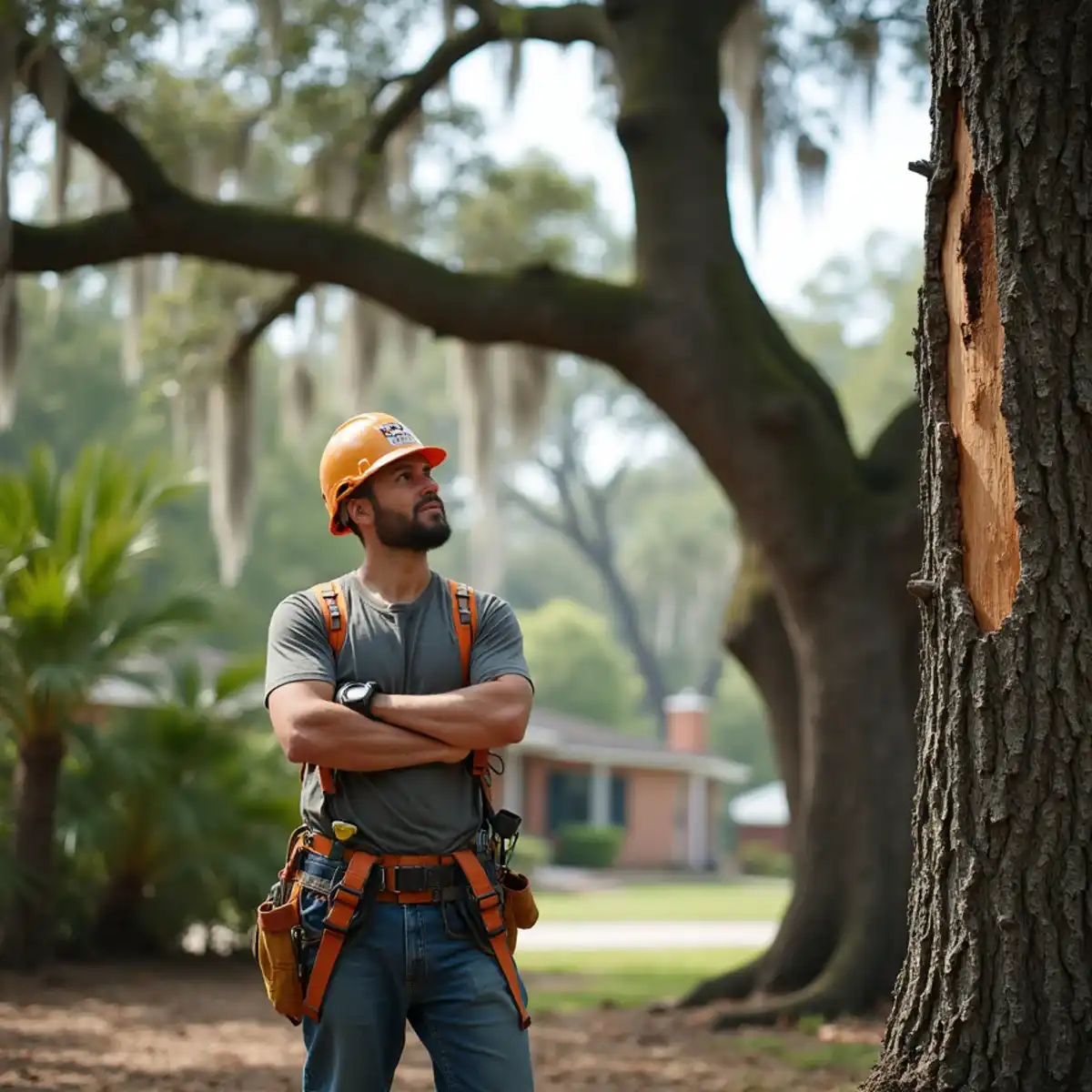
There is a structural conflict of interest in this industry that nobody likes to talk about. Removal is the most profitable job a tree company does, and the person telling you whether your tree needs to come down is usually the person who will be paid to remove it.
Some of the reviews we are proudest of come from people who called us for a second opinion and still have their tree. Here is how the decision actually gets made.
The three questions that decide it
Every honest recommendation comes down to the same three things.
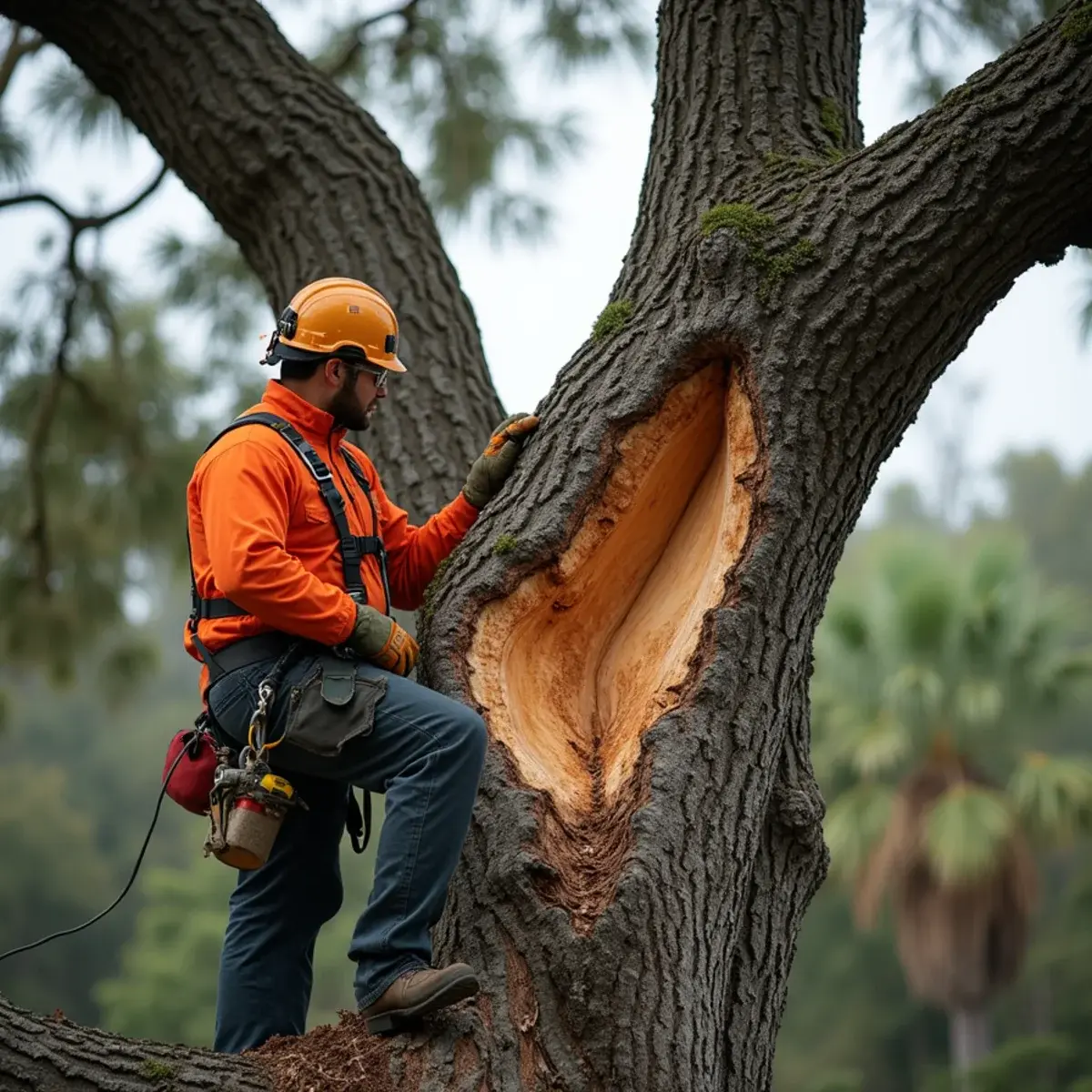
First: what is the defect, and is it structural or cosmetic? Deadwood, an over-extended limb, or a canopy that has never been thinned are maintenance problems. Decay in the root flare, a failing root plate, or a split running into the trunk are structural problems. Maintenance problems get pruned; structural problems may not have a fix.
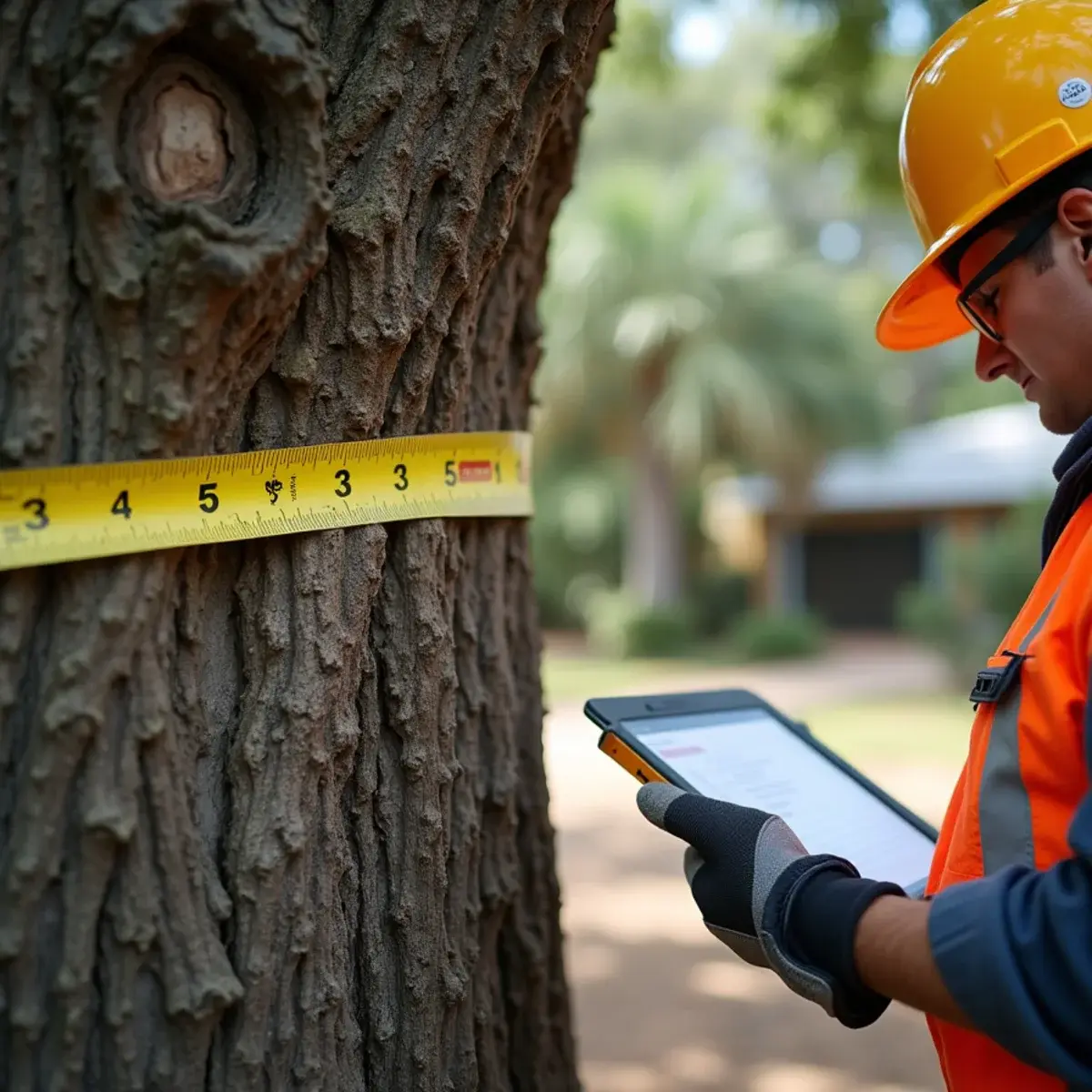
Second: how much sound wood is left? A hollow trunk with a thick, continuous shell can be entirely stable. The same hollow with a thin wall, or with an open cavity breaking the tube, is not. This is measurement, not eyeballing.
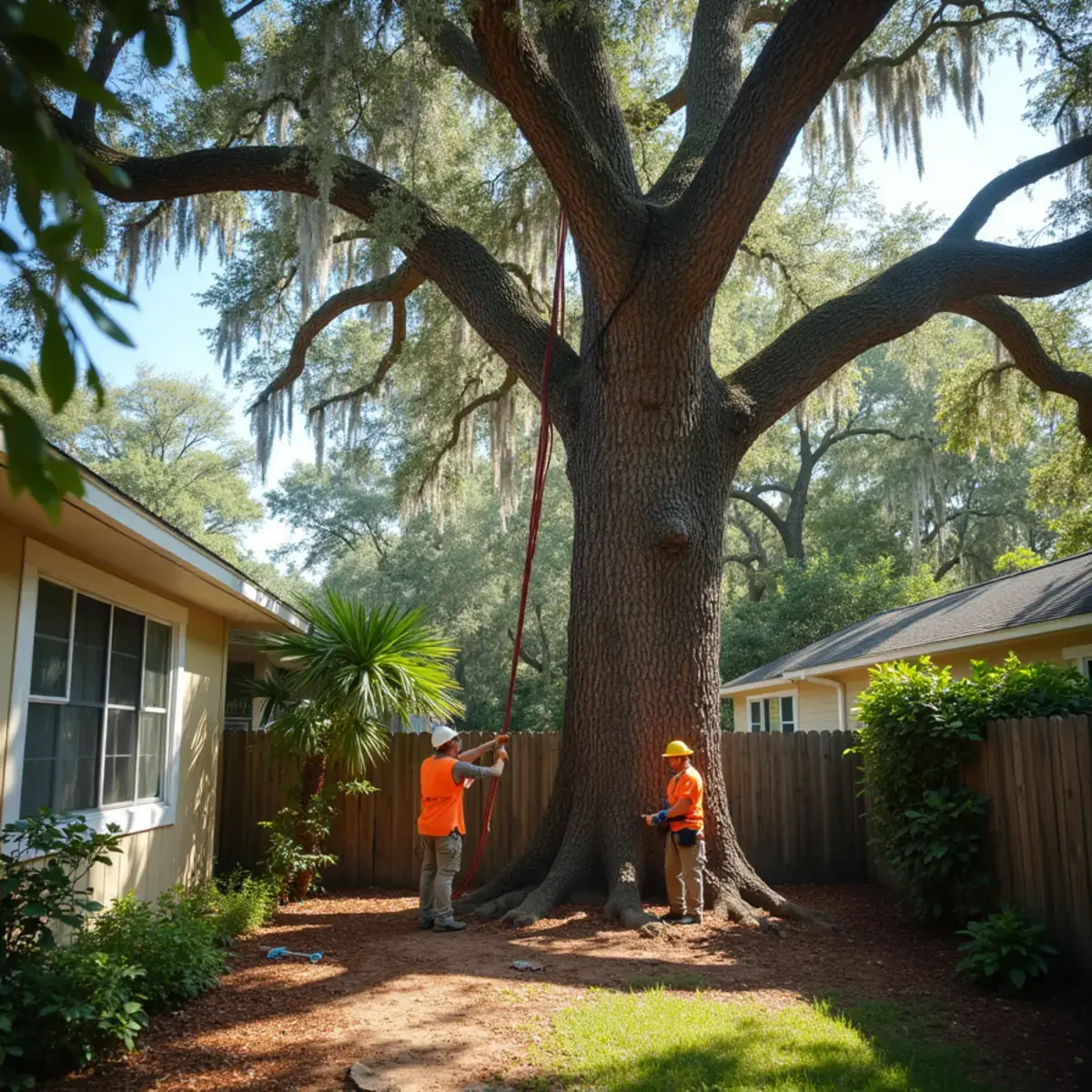
Third: what is underneath it? A tree with a 20 percent chance of failure over open pasture is a wildlife feature. The same tree over a child’s bedroom is unacceptable risk. Nothing about the tree changed — the target did.
Problems that pruning solves
A lot of the trees we are called to remove need considerably less than that.
Problems that support hardware solves
Between pruning and removal there is a middle option most homeowners have never been offered: structural support.
A codominant union with included bark, a limb that has over-extended past what its attachment can carry, or a union that has already partially split can often be held with a properly engineered cable, sometimes paired with a bracing rod. Combine that with end-weight reduction and a tree that another company condemned can stand for decades.
This is worth doing on a tree with real value — a specimen live oak, a historic tree, or one that is genuinely irreplaceable in the landscape. It is not worth it on a declining fast-growth species with limited life left. Our cabling and bracing page explains where the line is.
When removal is genuinely the answer
Some trees should come down, and pretending otherwise does nobody any favors.
Extensive decay at the root flare or in the lower trunk, where the load-bearing wood is compromised and there is nothing sound for hardware to hold. A failing root plate with soil heaving. A trunk split running deep. Dead or nearly dead. A species-terminal disease like laurel wilt in a redbay or ganoderma in a palm.
And sometimes the honest reason is simply that the tree is in the wrong place — a 90-foot pine leaning over a bedroom with root damage from a driveway pour. Pruning does not change that outcome, and selling you a trim would be taking your money for a result neither of us wants.
How to get an honest answer
A few practical steps stack the odds in your favor.
Ask the person quoting you to explain the specific defect and show you. "It is old" and "it looks dangerous" are not diagnoses. "There is a decay column here, the shell is thin on this side, and the flare has a conk" is.
Get a second opinion on any large or valuable tree. We give them regularly, and sometimes we agree with the first company — but you will get the reasoning either way.
Consider paying for a standalone assessment rather than taking a free sales estimate. When the diagnosis is the product rather than the sales visit, the incentive problem disappears. That is exactly why our tree risk assessment is priced as its own service, with the fee credited against any work you hire us for.
Be wary of urgency without evidence. A genuinely imminent hazard is visible and explainable. Pressure to decide today usually is not about the tree.
Frequently asked questions
The bottom line
If somebody has told you a tree has to come down and you are not sure, get another look at it. Worst case you confirm the first opinion. Best case you keep a tree that took fifty years to grow.
We give free estimates across St. Augustine and St. Johns County, and we will tell you plainly when a tree does not need our services.
Want a real answer about your specific tree?
Call +1 (208) 635-2100 for a free on-site estimate across St. Augustine and St. Johns County. We will tell you plainly what it needs — including when the answer is nothing.
- 47 five-star reviews
- Licensed & insured
- 24/7 storm response